Fact Check: The AI Mass Production of Fabricated Videos in Japan

Fact Check: The AI Mass Production of Fabricated Videos in Japan

Last updated on May 14th, 2026
Editor's Note

Recently, numerous orders for producing anti-China fake videos have emerged on Japan’s crowdsourcing platform CrowdWorks. These videos are mass-generated using AI tools, forming a commercialized rumor-mongering chain. According to an investigation by the Osaka-based newspaper Asahi Shimbun, the creators involved  admitted that all content was entirely fabricated. Driven by profits and high user traffic, such misleading information continues to spread. The following two videos serve as typical examples, breaking down how the “AI mass production” model operates in terms of visual features, content structure, and narrative logic.

Claim

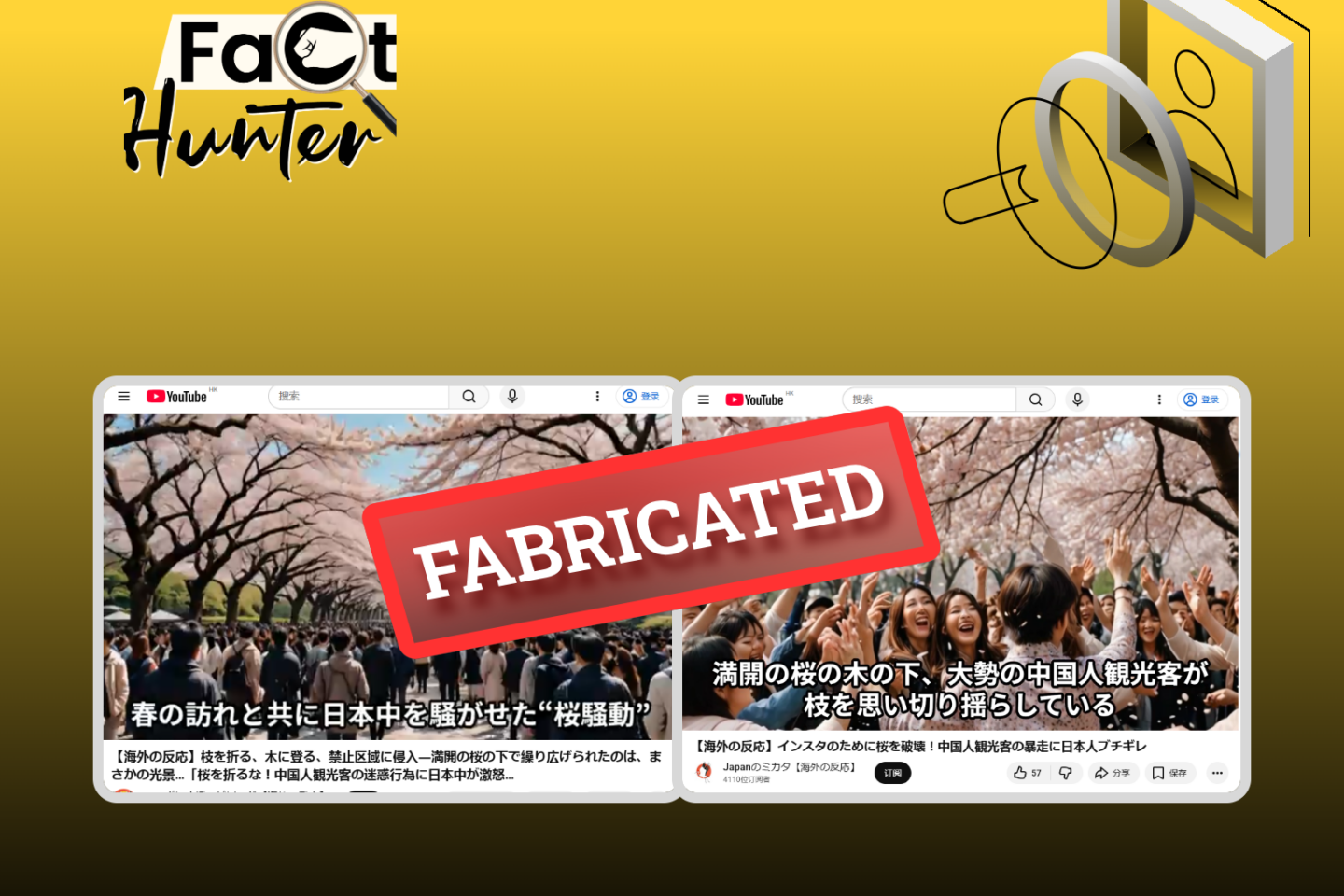
In March 2025, YouTube users @Japan のミカタ【海外の反応】 and @ニッポン応援エピソード【海外の反応】 published videos on the YouTube platform,  accusing Chinese tourists of vandalizing cherry blossoms during Japan’s cherry blossom season. The footage in both posts was assembled through the mixed editing of multiple sources.

Source: ニッポン応援エピソード【海外の反応】
Source: Japanのミカタ【海外の反応】

Fact Check

In response to the core narrative content of the two videos, we conducted a full-chain fact-check from three core dimensions: identifying AI-generated features in the audio-visual materials and text, cross-verifying the key events and characters, and verifying relevant laws and policy statements.

1. Visual Analysis and AI Detection Result

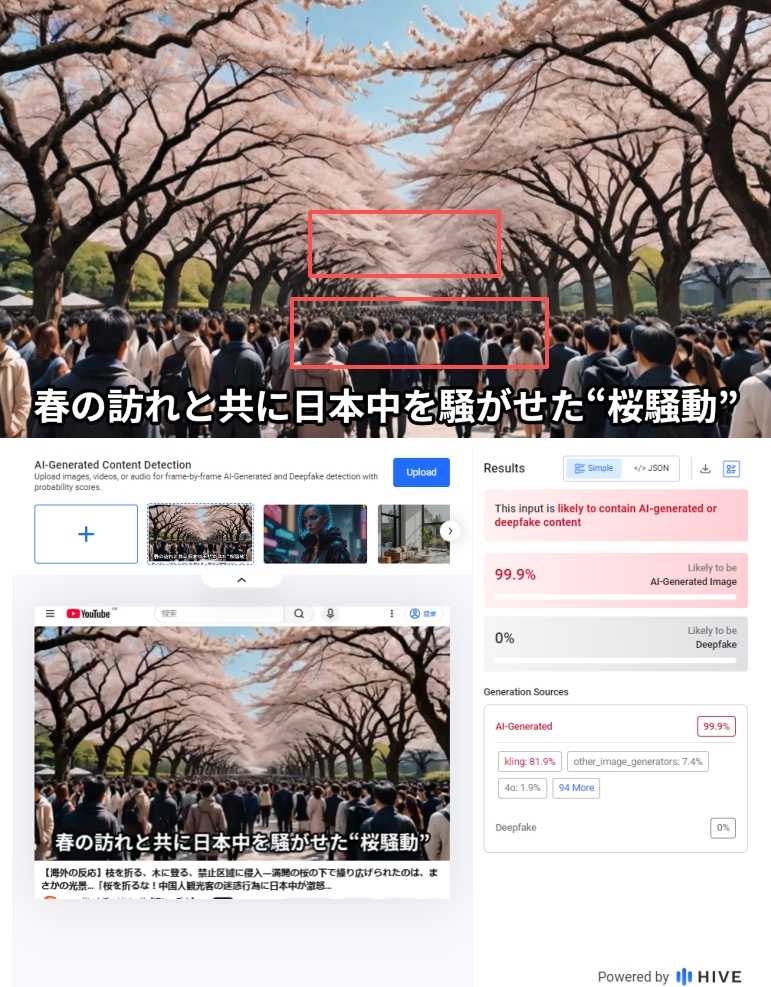
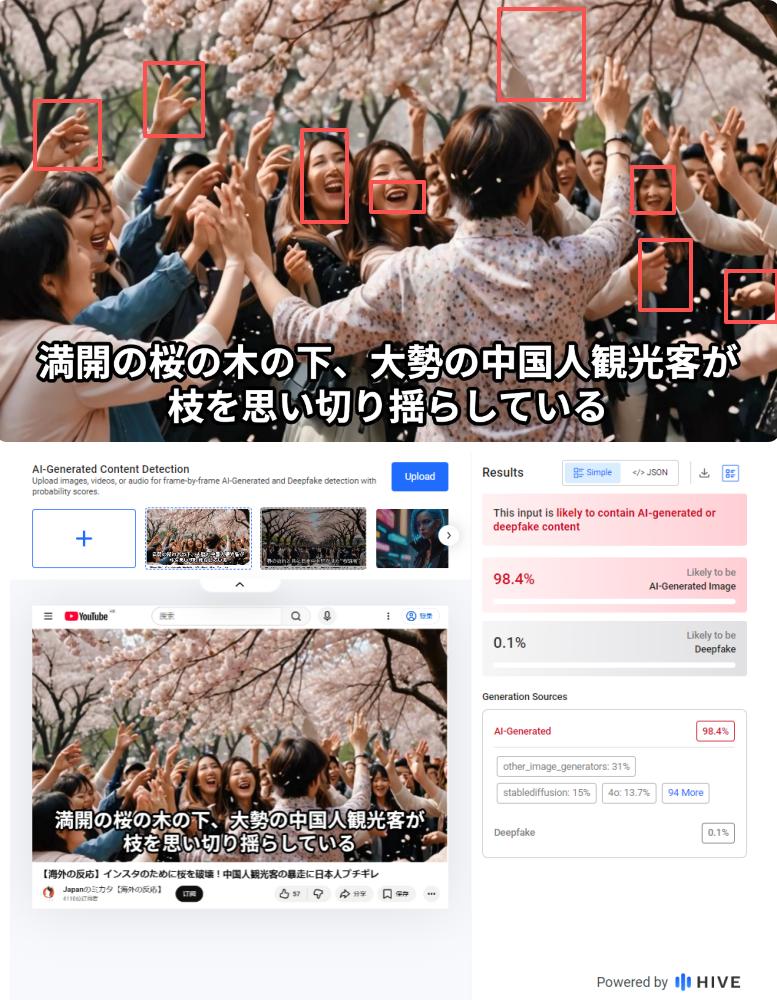
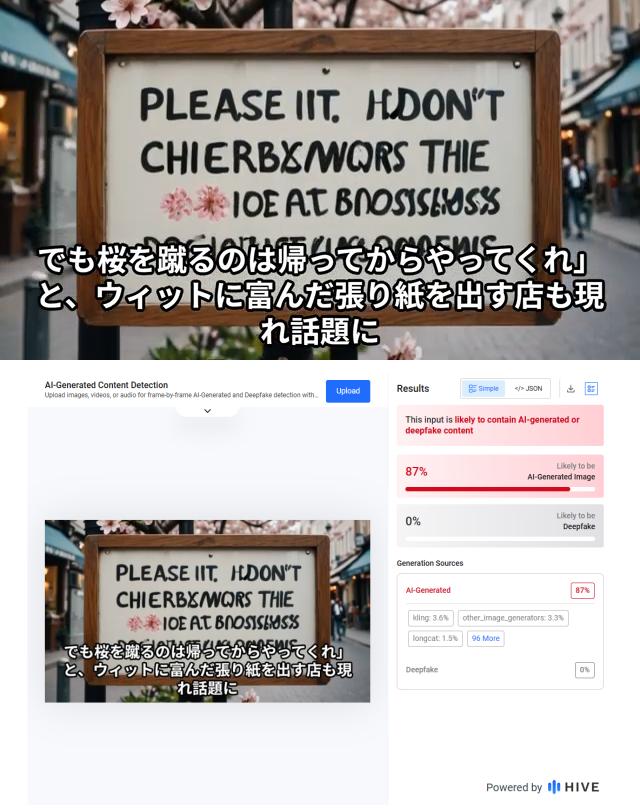
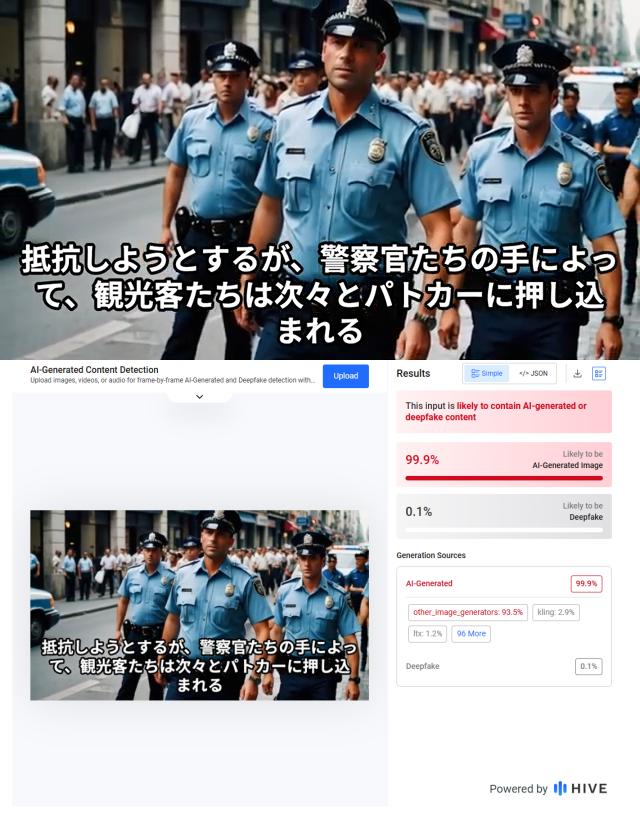
Visual analysis of images extracted from the two videos posted by @ニッポン応援エピソード【海外の反応】 and @Japanのミカタ【海外の反応】reveals multiple telltale signs of AI-generated synthesis:

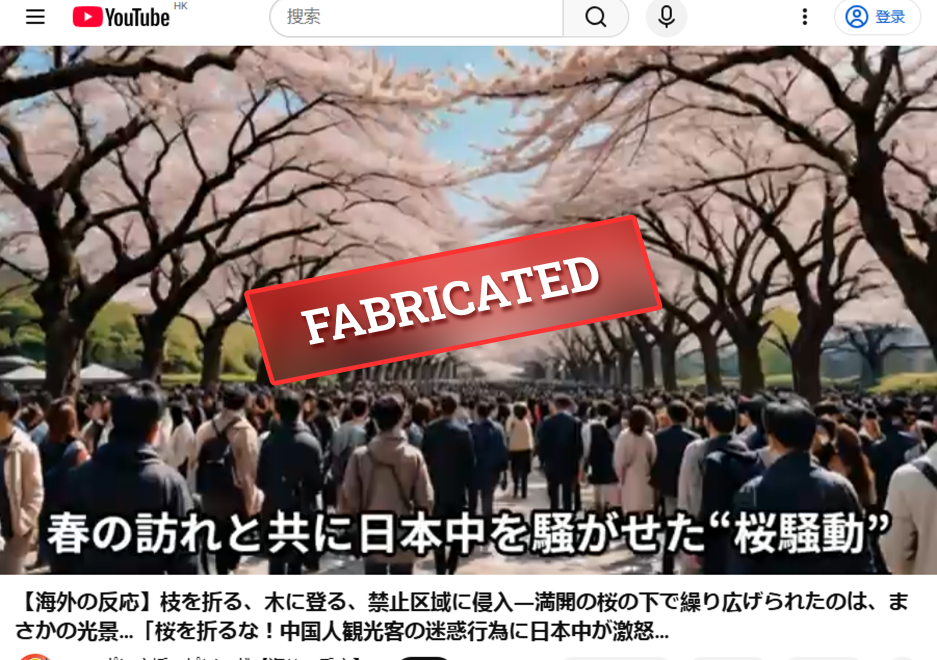
Figure 1: Cherry blossoms show symmetrical branches and blurry distant blooms. The figures depicted abnormally proportioned heads and apparently melting limbs, and the scene features unnaturally dense, orderly crowds.

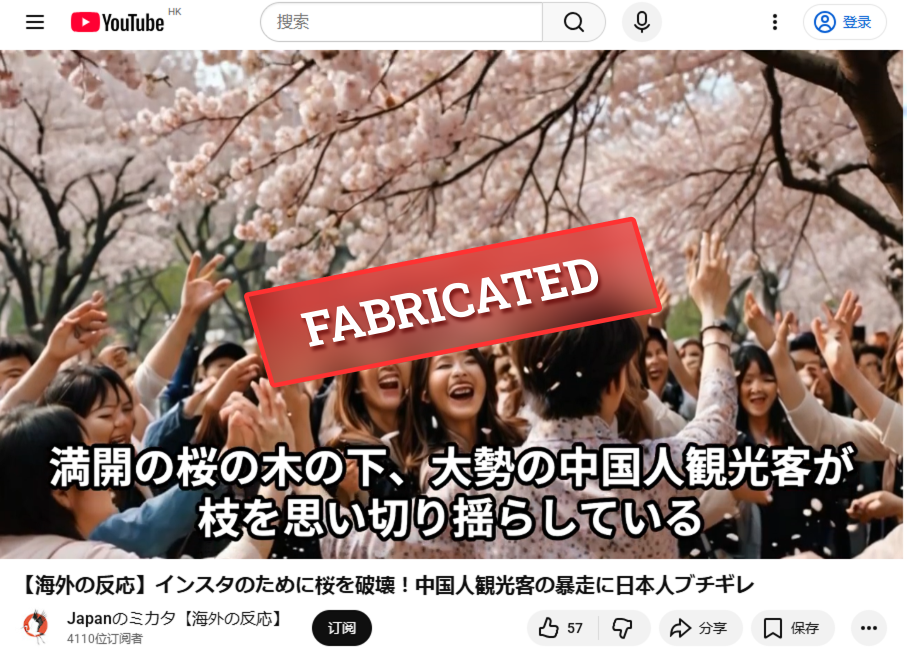
Figure 2: Deformed and distorted human limbs and facial features, blurred texture of branches and cherry blossoms, and chaotic spatial perspective.

Figure 3: English text fails to form conventional English words, appearing as garbled characters and distorted, stuck-together letters.

Figure 4: The image features urban police officers with seemingly Caucasian facial features is completely inconsistent with the context of local law enforcement in Japan.

Figure 1: Screenshot from YouTube user @ニッポン応援エピソード【海外の反応】
Figure 2: Screenshot from YouTube user @Japan のミカタ【海外の反応】
Figure 3: Screenshot from YouTube user @ニッポン応援エピソード【海外の反応】
Figure 4: Screenshot from YouTube user @Japan のミカタ【海外の反応】

2. Audio Analysis

The narrations of both videos are in a male Japanese voice with standard pronunciation but lack natural rhythm. Specific manifestations include: the absence of voiced consonant weakening and intonation fluctuations typical of spoken Japanese, a lack of stress on key words or changes in speech rate, and a consistently uniform tone throughout. Additionally, the audio lacks the stutters, ambient sound and microphone background noise common in real human speech, as well as no environmental traces indicative of an on-site interview recording.

3. Text Analysis

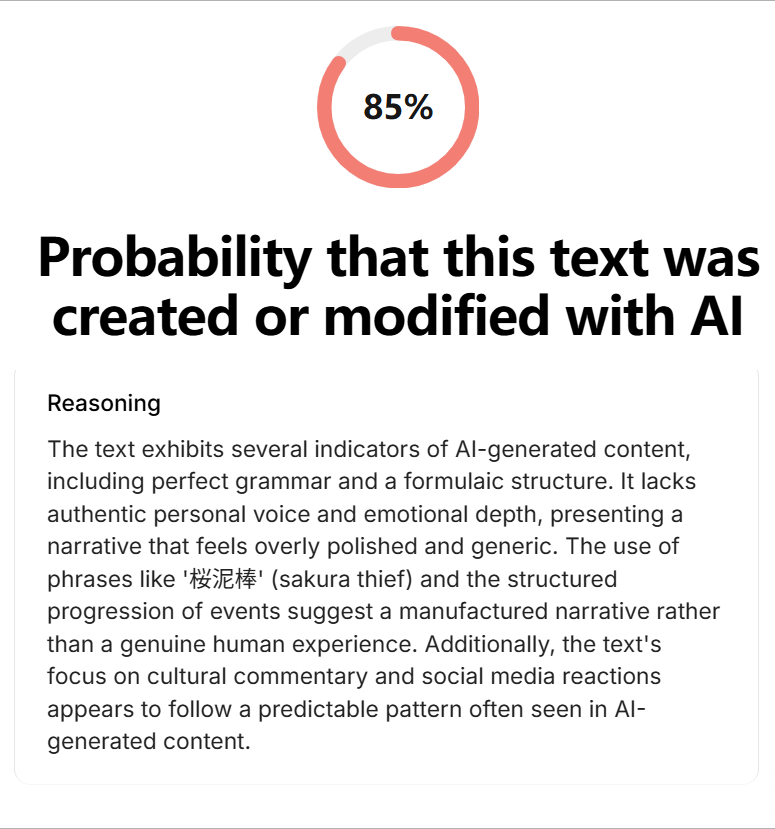
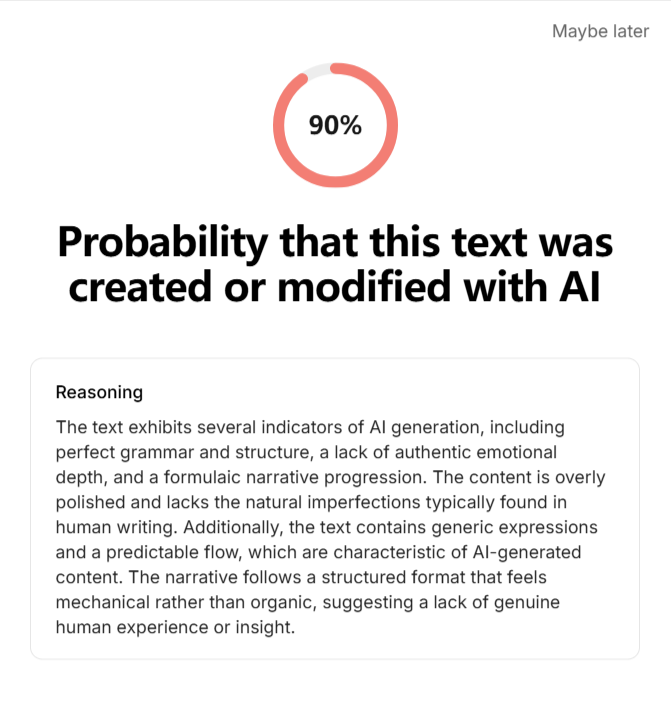
The transcribed manuscripts of the two videos were tested using the Evernote Japanese AI Generator Detector (https://evernote.com/ai-detector/japanese-ai-detector). The results indicated that the probability of AI-generated text was 85% for the video from YouTube user @ニッポン応援エピソード【海外の反応】, and 90% for the video from YouTube user @Japan のミカタ【海外の反応】.

Source: Evernote
Source: Evernote

4. Verification of Event Authenticity

For the core events, characters and news reports mentioned in the videos, we conducted cross-verification of various factual statements using methods such as multi-platform keyword retrieval, reverse traceability of materials, and official source verification.

  • Incident 1: “Viral Social Media Post with Hundreds of Thousands of Views”

The video (02:54) from YouTube user @ニッポン応援エピソード【海外の反応】 claims that “a post published on social media with the caption ‘I hope you fall in love with cherry blossoms’ received hundreds of thousands of views overnight and spread across the country.” A keyword search for “桜を愛して欲しいと” was conducted across multiple platforms, including TikTok, Instagram, X, and Facebook. No post matching the claimed caption or viewership figures was identified.

  • Incident 2: “Tourists’ Cherry Blossom Vandalism Covered by Major Japanese Media”

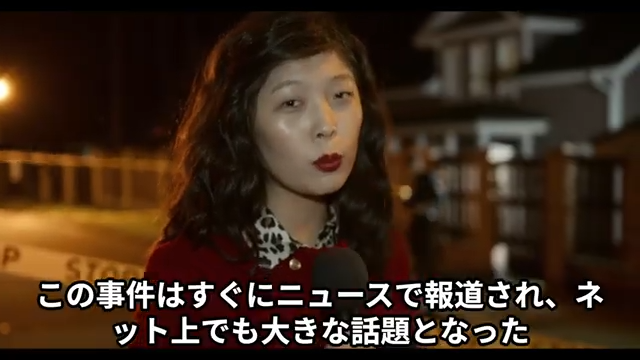
The video (09:40) from YouTube user @Japan のミカタ【海外の反応】 claims that “the incident of tourists vandalizing cherry blossoms was reported by major Japanese media, triggering heated discussions across the internet.” However, searches on NHK News and the official website of Asahi Shimbun using cherry blossom-related keyword combinations including “中国人 + 桜 + (破壊 / 摘む / 踏む / 傷つける)” found no matching news content from the relevant time period. Additionally, a reverse search of the video frame revealed that the footage is highly consistent with a clip titled “reporter interview at crime scene” clip uploaded to the Pexels platform in December 2021, which has no connection to the claimed incident.

Source: Japanのミカタ【海外の反応】
Source: Pexels
 
  • Incident 3: “Confession of the Involved Tourists”

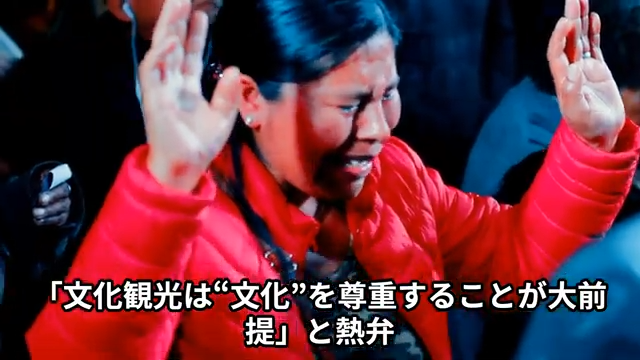
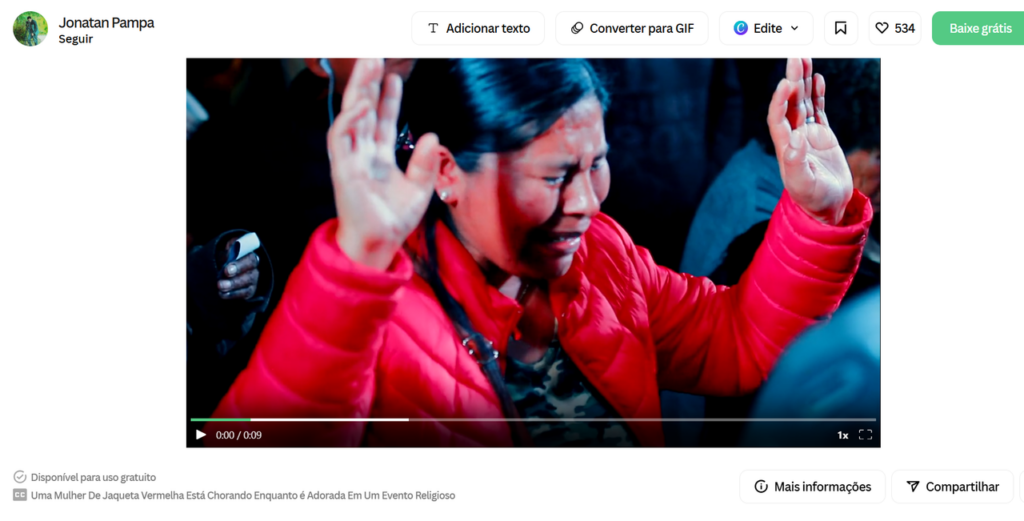
The footage of a crying woman in red clothing in the video (07:30) from YouTube user @ニッポン応援エピソード【海外の反応】 is presented as the confession of the tourists involved. Through reverse retrieval, this clip matches the video uploaded to the Pexels platform in January 2020 , which is labeled in Portuguese as “Woman in red jacket crying while being surrounded at a religious event”, and has no connection to the claimed “tourists being punished in Japan” incident.

Source: ニッポン応援エピソード【海外の反応】
Source: Pexels
 
  • Incident 4: “Cherry Blossom Guardians” and “Mr. Sakura”

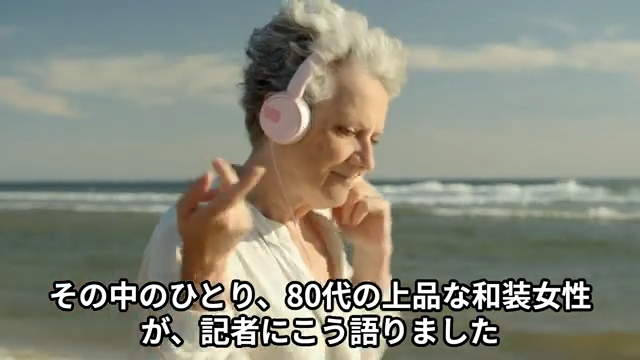
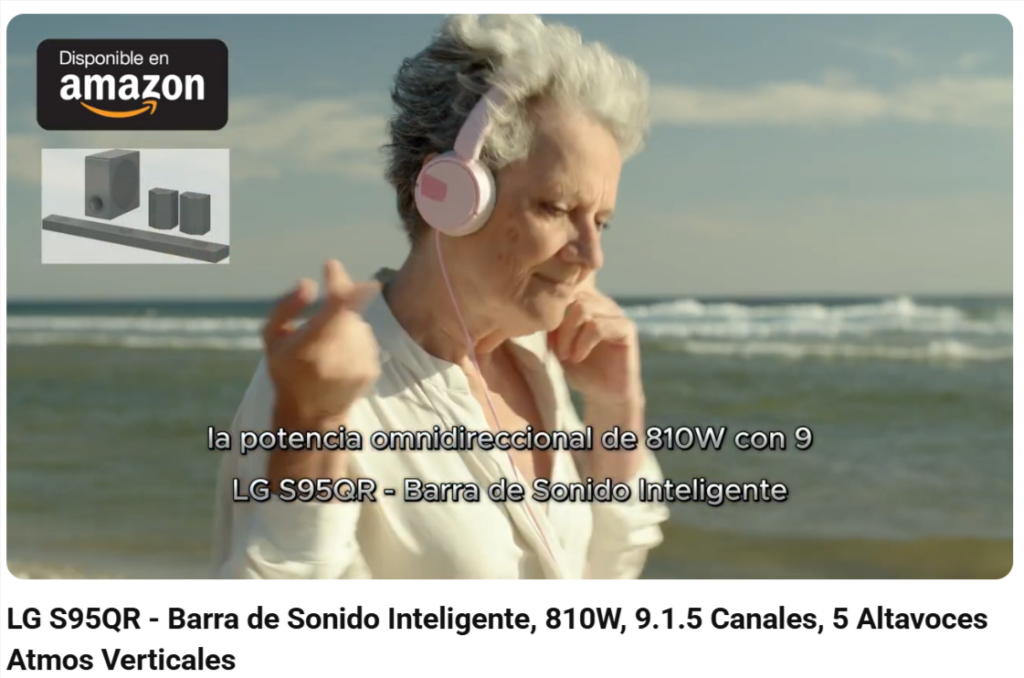
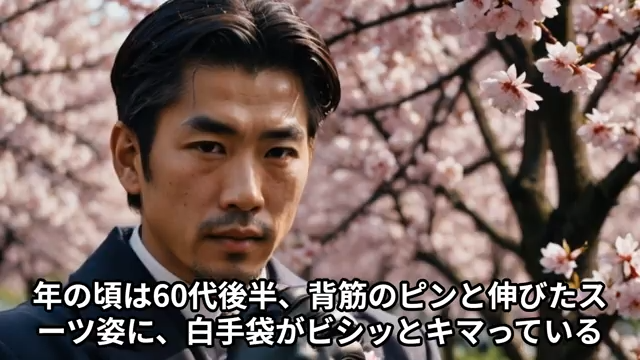
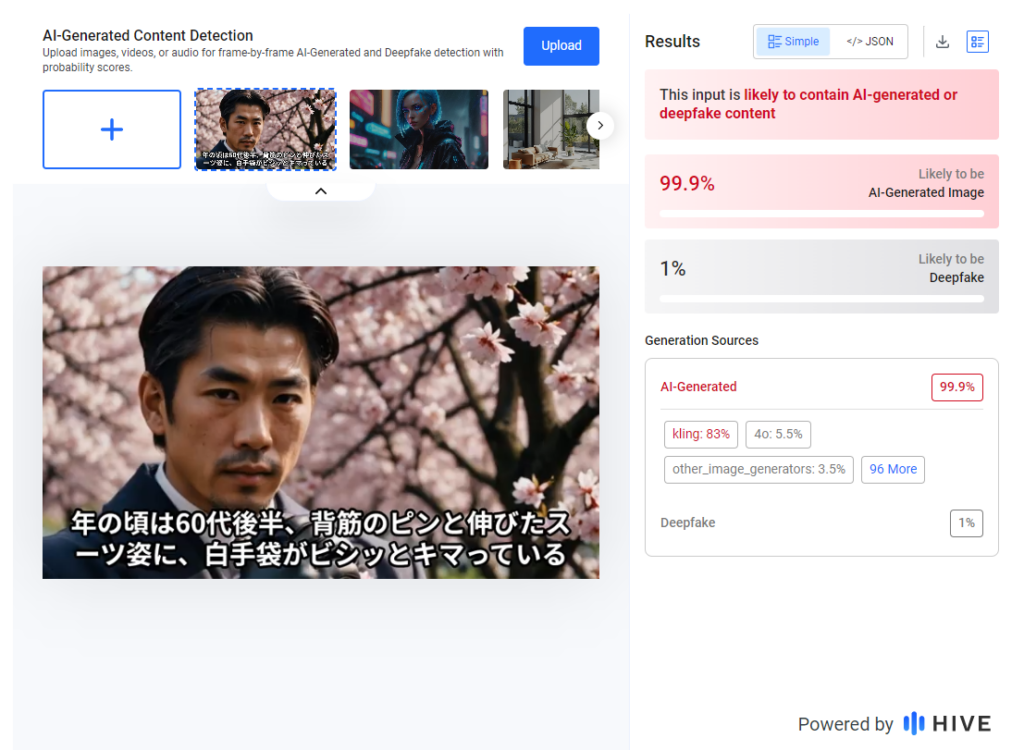
A thorough search for the two core characters in the video from YouTube user @ニッポン応援エピソード【海外の反応】—an “80-year-old cherry blossom protection volunteer” and “Mr. Sakura, a security guard in his 60s who is fluent in Chinese at Maruyama Park, Kyoto”—found no matching real-life individuals on Google, X, Instagram, or Facebook. Footage analysis revealed that the “cherry blossom guardian” clip (04:02) closely resembles a scene (1:07–1:10) from an LG audio product ad released in October 2023. The image of “Mr. Sakura” (05:03) closely matches the facial features of Japanese actor Takenouchi Yutaka, and AI detection returned a 99% probability of the image being AI-generated.

Source: ニッポン応援エピソード【海外の反応】
Source: YouTube
Source: ニッポン応援エピソード【海外の反応】
Source: Google Images
Source: Hive

5. Legal and Regulatory Verification

The video from YouTube user @Japan のミカタ【海外の反応】 claimed that “tourists who vandalized cherry blossoms were arrested, prosecuted and deported”. Upon verification, Article 261 of the Penal Code of Japan, “Crime of Property Damage”, stipulates that a person who damages or injures the property of another person shall be punished by imprisonment with labor for not more than 3 years or a fine of not more than 300,000 yen (around 1,900 U.S. dollars) or a minor fine. Furthermore, Article 24 of Japan’s Immigration Control and Refugee Recognition Act of Japan clearly defines the statutory conditions for “forced deportation”: only foreigners who have been sentenced to life imprisonment or imprisonment with labor for more than 1 year without suspended execution are eligible for forced deportation.

Source: e-gov
Source: e-gov

According to the above legal provisions: foreign tourists may be subject to forced deportation only if they are sentenced to imprisonment with labor for more than 1 year and up to 3 years for the crime of property damage, without suspended execution. If the offense is minor and the perpetrator is sentenced only to a fine, minor fine, or imprisonment with labor for less than 1 year with a suspended sentence, they would not meet the statutory conditions for forced deportation. The statement in the video confuses the legal boundaries between a criminal conviction, types of penalties, and the statutory requirements for forced deportation.

6. Asahi Shimbun Investigative Reports

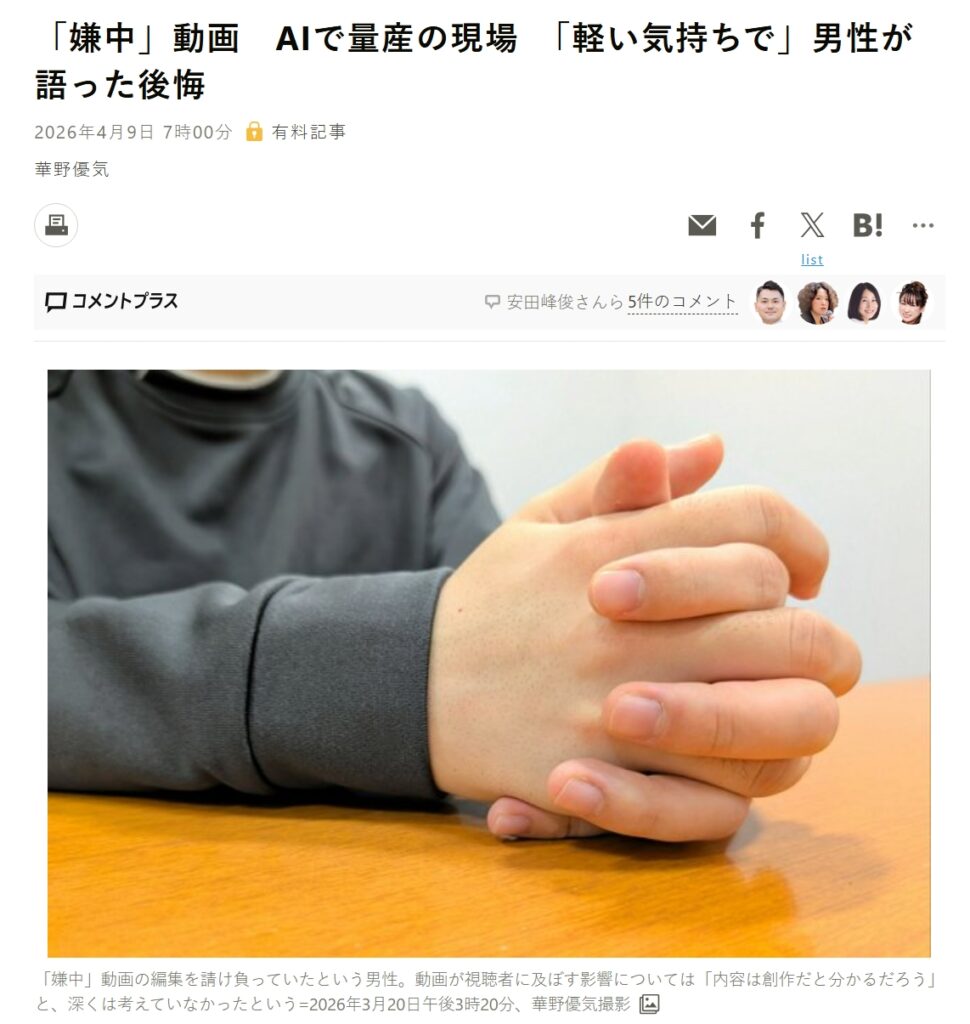
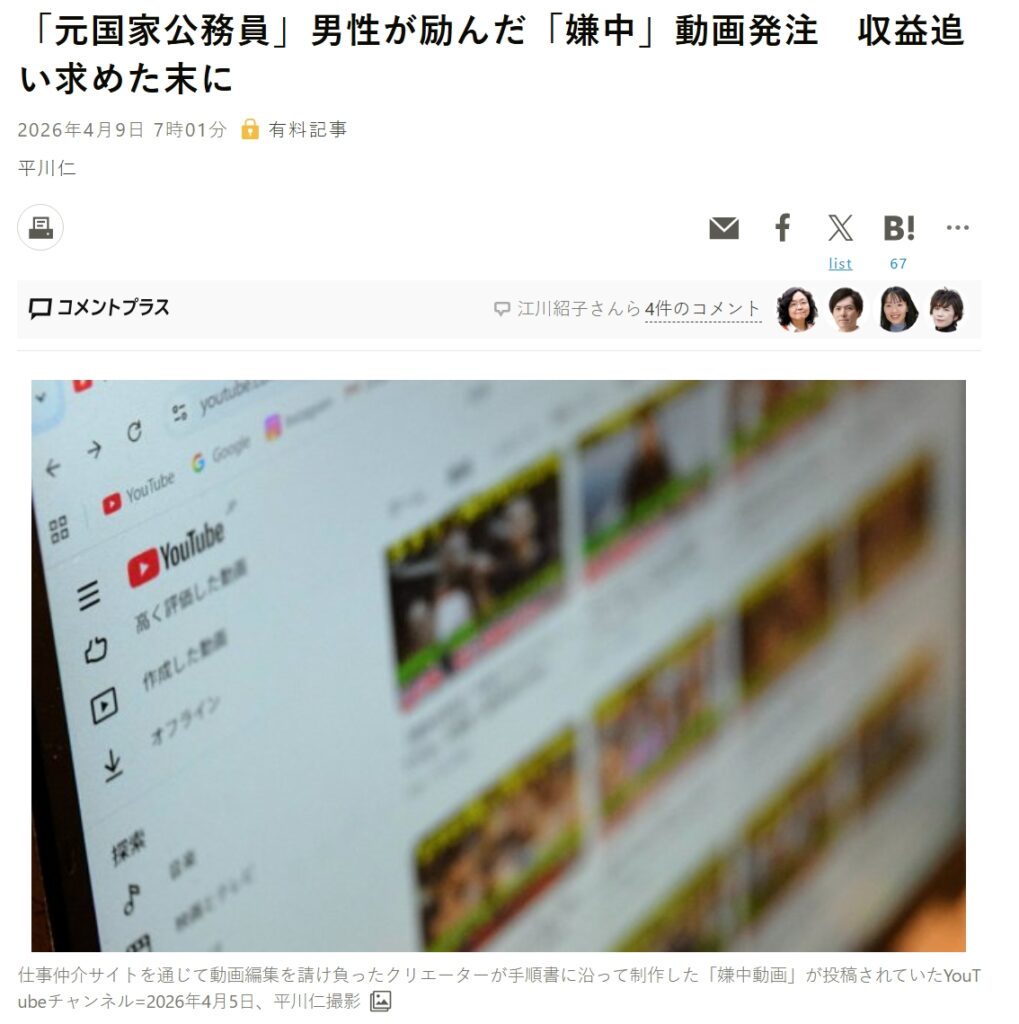
On April 9, 2026,the Asahi Shimbun published two in-depth reports on Japan’s “anti-China” video industry. These reports pointed out that the publishers of such “anti-China” videos are “content farm marketing accounts”, rather than information publishers with news gathering and editing qualifications and specifications. Their content production lacks any fact-checking or source verification process; the core information comes from completely fictional plots, or tampered and misappropriated materials from formal media sources; and the publishers are all aware of the falsity of the content.

According to the Asahi Shimbun investigation, the entrusting party posts information such as “YouTube video work related to China-critical content and other overseas reactions” on recruitment websites, and even adjust the content direction following social hot spots and traffic trends. For example, during periods of fluctuation in China-Japan diplomatic relations, they immediately increase the release of “anti-China” posts. The advertising revenue of a single “anti-China” video can be as high as 1,000 yen (over 6 U.S. dollars) per 1,000 views, and the average monthly income of top accounts can reach about 600,000 yen (around 3,800 U.S. dollars).

Source: Asahi Shimbun

Verdict

Fabricated.

Conclusion

Upon verification, the two YouTube videos claiming to depict apparently anomalous behavior of Chinese tourists in Japan have been found to be inauthentic. The core events depicted lack factual support, the footage is largely AI-generated or spliced from outdated materials, and the characters and legal statements presented are inconsistent with reality. As AI generation technology advances, producing fake content has become increasingly easy. Readers are advised not to share unverified content before confirming its authenticity.


Have a questionable video or claim? Submit it to Fact Hunter’s investigation team at [therealfacthunter@outlook.com].

Primary Fact Checker: Liu Yantong

Secondary Fact Checker: Lei Ting

Reference:

https://laws.e-gov.go.jp/law/140AC0000000045

https://laws.e-gov.go.jp/law/326CO0000000319

https://evernote.com/ai-detector/japanese-ai-detector

https://www.asahi.com/articles/ASV433CJMV43UTIL02DM.html

https://www.asahi.com/articles/ASV45557ZV45UTIL021M.html

https://www3.nhk.or.jp/nhkworld/en/news/list/

https://www.asahi.com/?iref=pc_gnavi

https://www.pexels.com/video/reporter-interviewing-woman-at-crime-scene-10464828/

https://www.pexels.com/pt-br/video/uma-mulher-de-jaqueta-vermelha-esta-chorando-enquanto-e-adorada-em-um-evento-religioso-3524191/

https://hivemoderation.com/ai-generated-content-detection

https://www.asahi.com/articles/ASV433CJMV43UTIL02DM.html

https://www.asahi.com/articles/ASV45557ZV45UTIL021M.html

Show Comments (0) Hide Comments (0)
Leave a comment

Your email address will not be published. Required fields are marked *