Last updated on March 22nd, 2026
Editor’s Note
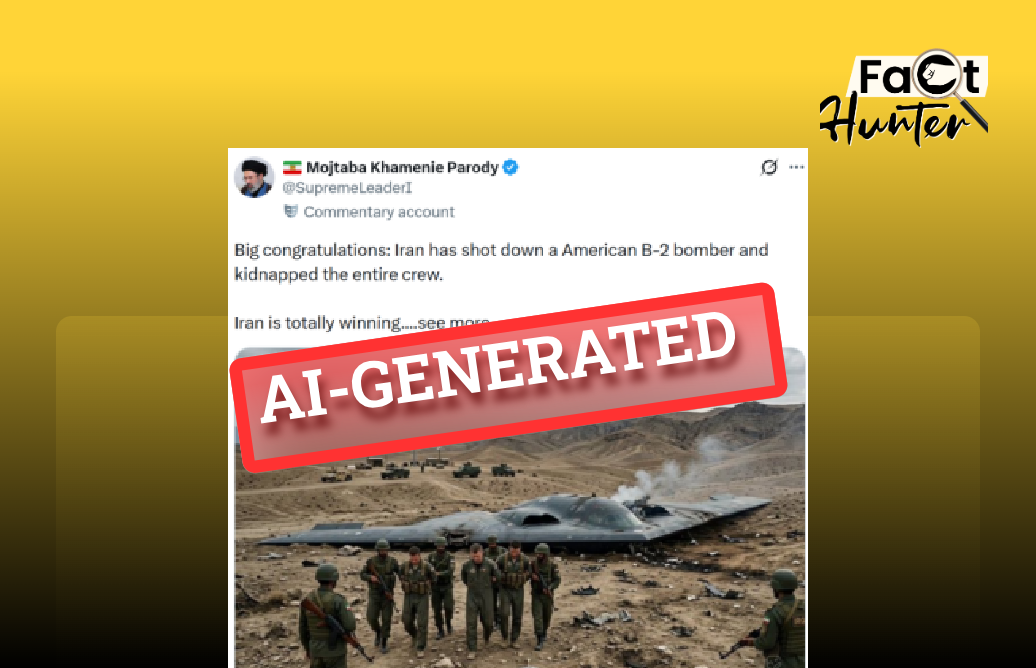
As military claims related to the Iran conflict spread quickly on social media, dramatic visuals have become a key tool for spreading misinformation. A number of AI-generated or mislabeled images have recently surfaced online. Against this backdrop, a viral image on X circulated alongside a claim that Iran had shot down a U.S. B-2 stealth bomber and captured its crew. Given the potential for such a claim to mislead public understanding of fast-moving events, this report investigates the image using source analysis, AI detection, visual forensics, and open-source verification.
Claim
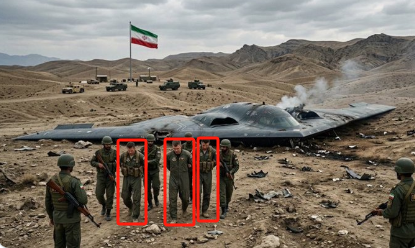
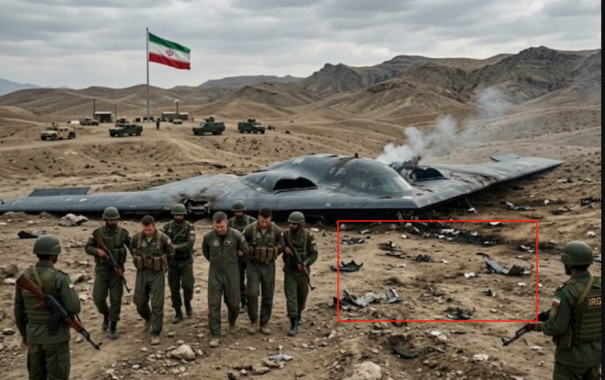
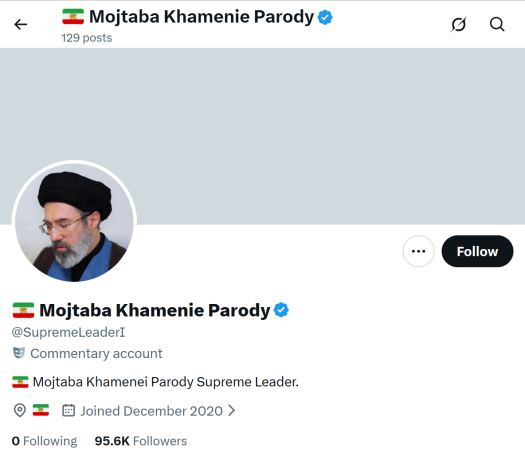
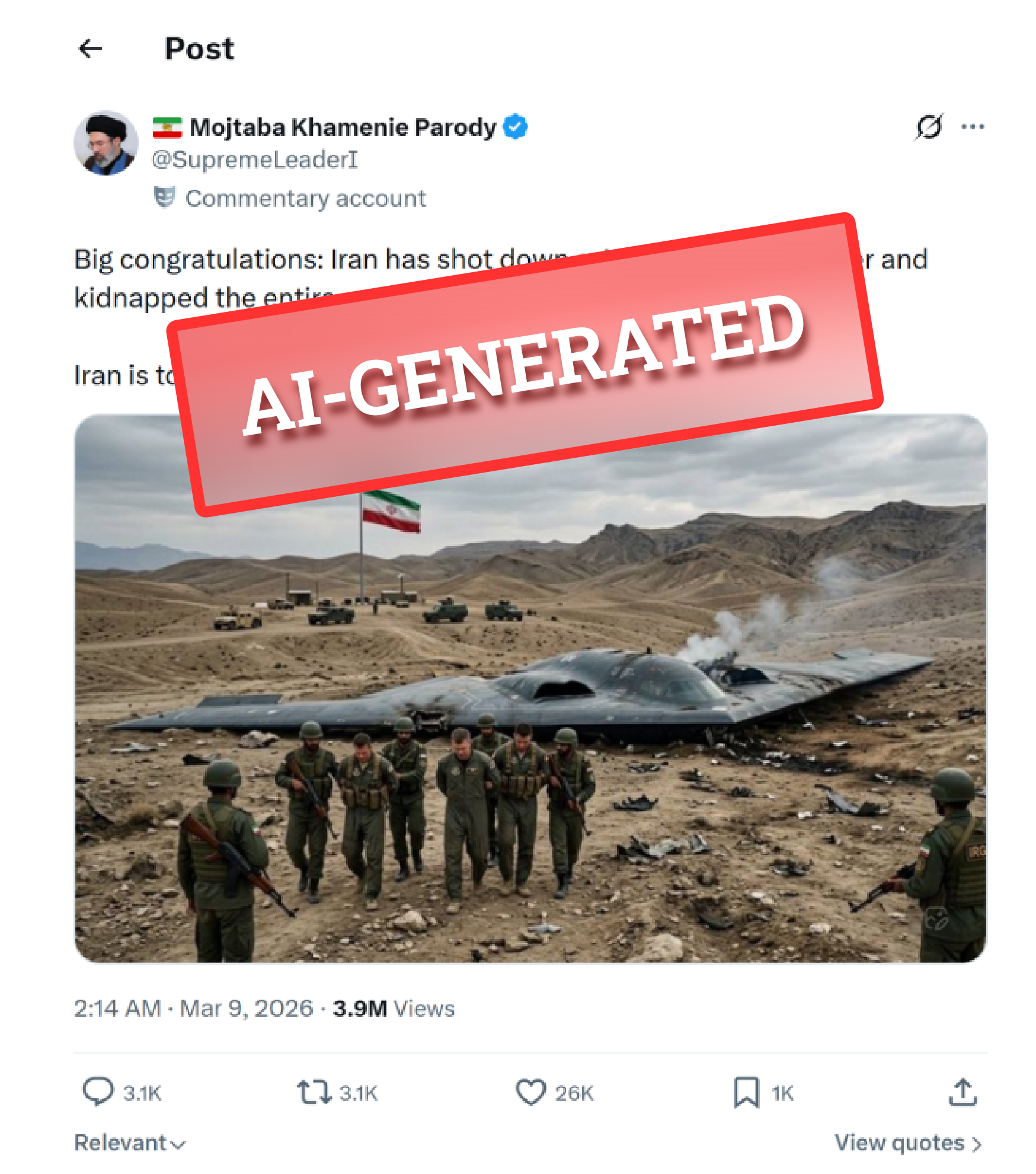
On March 9, 2026, an X account named “Mojtaba Khamenei Parody” (@SupremeLeaderI) posted an image claiming that Iran had shot down a U.S. B-2 bomber and captured its entire crew, and that Iran had achieved a decisive victory. The picture appears to show a crashed B-2-like aircraft, three apparent U.S. airmen being escorted by Iranian personnel, and a triumphalist battlefield scene. The post had received about 3.9 million views and 33,000 interactions.
Fact Check
1. 1 AI Detection Tool Results
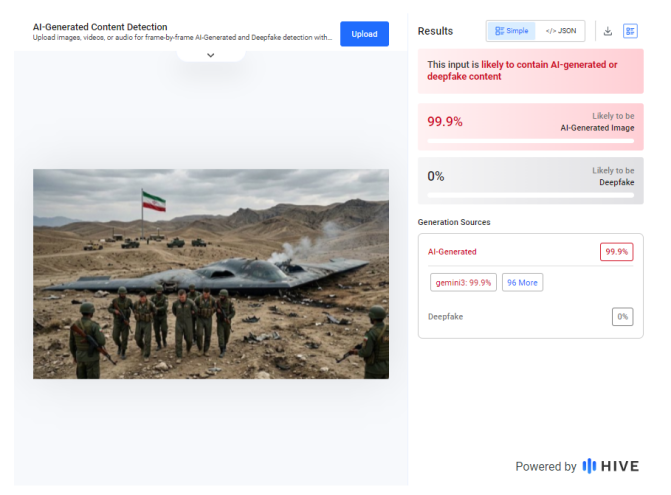
Analysis conducted with the Hive AI detection platform found that the image was very likely AI-generated or deepfake content, assigning it a 99.9% probability of AI generation and indicating likely Gemini-family model involvement.
1.2. Visual Analysis
1) Scale Discrepancy in the B-2 Wreckage
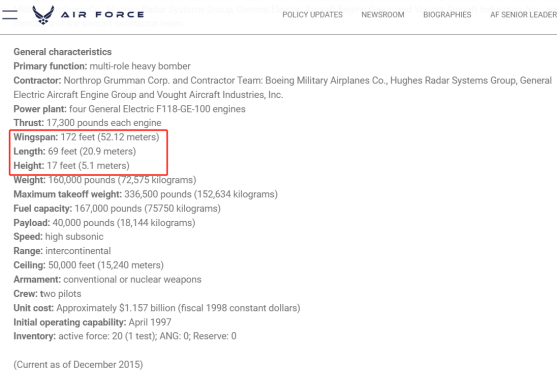
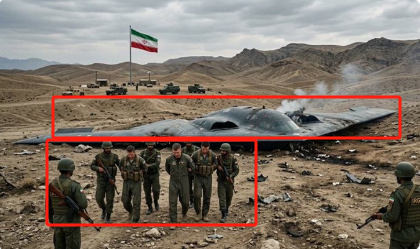
According to official U.S. Air Force data, the B-2 Spirit bomber has a wingspan of 172 feet (over 52 meters), a length of 69 feet (nearly 21 meters), and a height of 17 feet (approximately 5 meters), classifying it as a large strategic bomber. However, the wreckage depicted in the image appears disproportionately small compared with the surrounding figures. This size ratio is inconsistent with the actual physical specifications of a real B-2.
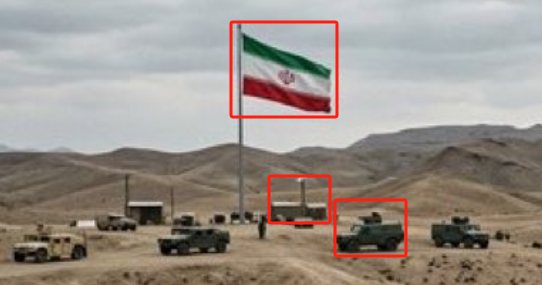
The oversized Iranian flag in the background also appears visually disproportionate to the flagpole, guard post, and military vehicles beneath it.
2) Anomalies in Armed Personnel’s Hands
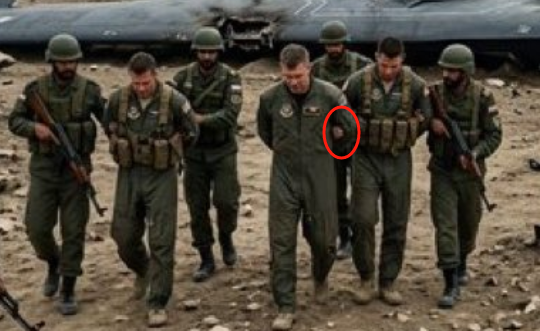
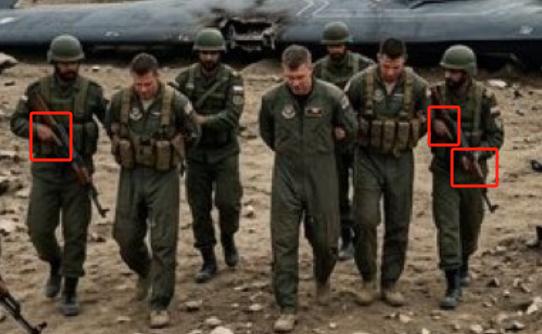
A detailed examination of the image reveals rendering errors in the hands of multiple armed personnel, including blurred outlines and missing details. And according to the scene’s narrative, the fifth and seventh individuals from the left are purported to be captured U.S. pilots, with their hands bound. However, the image shows that their arms appear interlocked and at the point where their arms cross, an extra hand appears. This constitutes a clear logical inconsistency within the visual scene.
3) Facial Anomalies
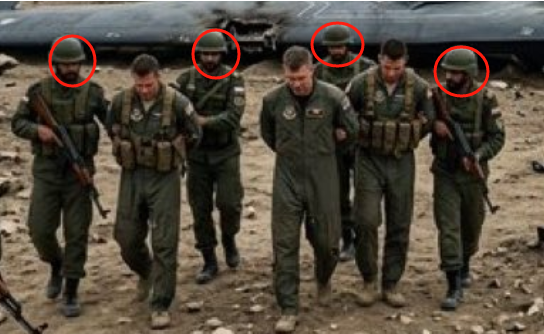
In addition, the faces of several supposed Iranian Revolutionary Guard personnel appear unusually similar. Despite different positions and gestures, their jawlines, beard patterns, and helmet placement show a degree of repetition that is inconsistent with normal human variation and suggests synthetic image generation, in which a base face model is duplicated and lightly modified.
1.3. Logical Factual Error
1) Discrepancy in crew number
The image is internally inconsistent with the known configuration of the B-2 Spirit. According to publicly available U.S. Air Force data, the B-2 Spirit bomber has a standard crew size of two. The image, however, depicts three individuals being escorted as captured U.S. pilots – a number inconsistent with the aircraft’s operational requirements.
2) Abnormal Wreckage Morphology
The aircraft itself also does not convincingly match a real crash scene nor the engineering profile of a B-2. The wreckage lacks the kinds of major ruptures, large structural tears, separated components, and heavy impact damage normally associated with a large bomber being shot down.
1.4. No Official or Credible Reporting
A review of the materials and independent fact-checking found no official statement or credible news report showing that Iran shot down a U.S. B-2 stealth bomber or captured its crew.
1.5. Communicator Analysis
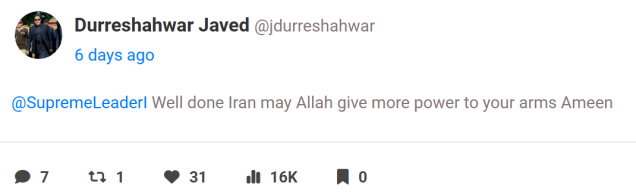
This account describes itself as a “Parody” account, with a profile referencing “Mojtaba Khamenei Parody Supreme Leader,” indicating that it is neither an official institution nor a professional news outlet. The account nonetheless has a substantial audience and appears to use “BREAKING news”-style language to circulate conflict-related content.
1.6. Analysis of comments under the post
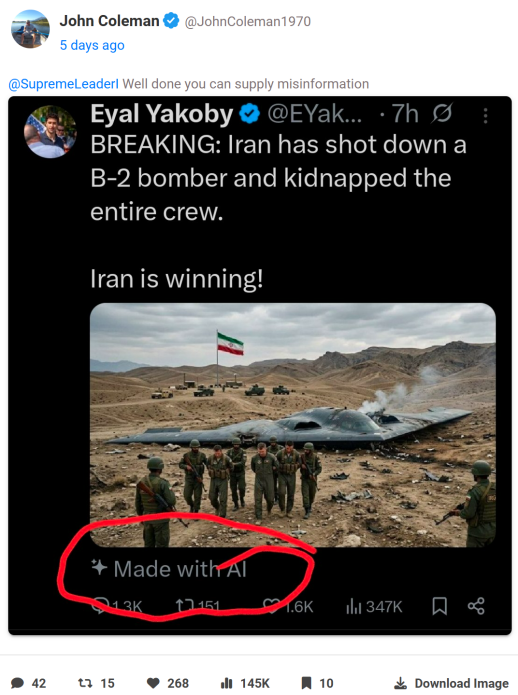
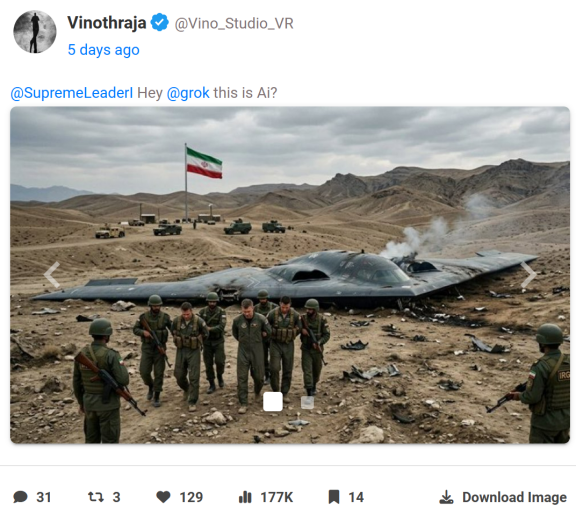
The replies under viral post from @SupremeLeaderI show a mixed but telling pattern: belief, ridicule, skepticism, explicit AI labeling, and calls for AI assistants to verify the image.
1)Patterns in User Responses
Supportive comments treated the image as real battlefield proof and extended it into a broader “victory narrative.”
Skeptical comments directly labeled it misinformation, fake news, or AI-generated.
Mocking comments used sarcasm to point out broken proportions or narrative absurdity.
AI-label reminders highlighted visible cues, notifying users that the image was “Made with AI” or “AI GENERATED.”
Verification-seeking comments asked AI assistants or other users to confirm whether the image was fake.
2)Representative Comments
Background
This post was published on March 9, the 10th day of the U.S.-Israel-Iran war. The situation had escalated in the days leading up to it, with the following key events:
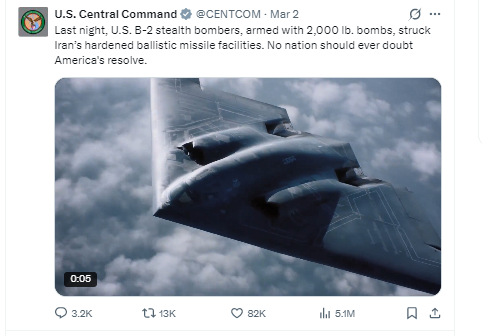
On February 28, as joint U.S.-Israeli military operations against Iran began, B-2 bombers entered the fight, striking Iranian ballistic missile facilities with 2,000-pound GBU-31 guided bombs.
On March 5, the commander of U.S. Central Command confirmed that over the previous 72 hours, B-2s had dropped dozens of 2,000-pound bunker-buster bombs on underground Iranian missile launch sites.
https://iranwire.com/en/news/149980-centcom-b-2-stealth-bombers-strike-200-targets-deep-inside-iran/
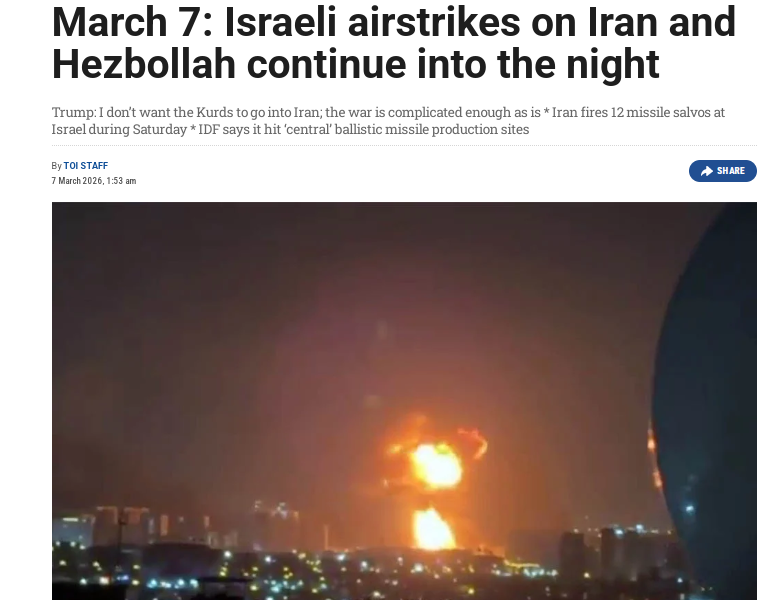
On March 7, the Israel Defense Forces (IDF) confirmed that they had successfully bombed two oil refineries and missile storage bases inside Iran.
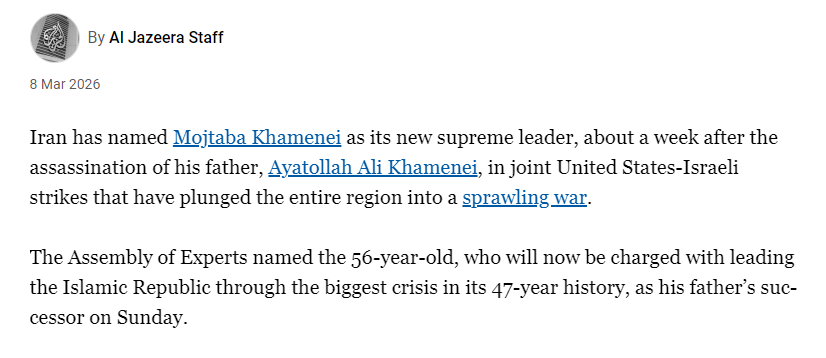
On March 8-9, Iran’s Assembly of Experts elected Mojtaba Khamenei—son of the late Ayatollah Ali Khamenei, killed in an Israeli strike on February 28—as the new Supreme Leader.
By this point, the U.S. and Israel had launched multiple rounds of airstrikes against Iran, while Iran continued to retaliate with missiles and drones, plunging the entire region into a state of extreme chaos and intense confrontation.
Verdict
AI-generated.
Conclusion
The viral image contains multiple indicators of AI generation, including distorted hands, repeated facial features, implausible scale relationships, and inconsistencies in the depiction of the aircraft itself. It also conflicts with a basic factual point: a real B-2 bomber is operated by a two-person crew, whereas the image shows three alleged captives. In addition, no official statement, credible media report, or verifiable open-source evidence supports the claim that any U.S. B-2 was downed by Iran or that its crew was captured. Taken together, these findings indicate that the image is an AI-generated fabrication, rather than an authentic visual record of a real-world military incident.
Have a questionable video or claim? Submit it to Fact Hunter’s investigation team at [therealfacthunter@outlook.com].
Primary Fact Checker:
Secondary Fact Checker: Lei Ting
Reference:
https://www.af.mil/About-Us/Fact-Sheets/Display/Article/104482/b-2-spirit/
https://www.af.mil/About-Us/Fact-Sheets/Display/Article/104482/b-2-spirit
https://x.com/CENTCOM/status/2028153060782973175
https://iranwire.com/en/news/149980-centcom-b-2-stealth-bombers-strike-200-targets-deep-inside-iran/