Last updated on May 26th, 2026
Editor’s Note
A recent video claiming to show “the Chinese government using heavy machinery to destroy a temple in Xizang” has spread rapidly in multiple languages across social media platforms including X, Facebook, and Instagram. The video shows clear signs of AI generation, is emotionally charged provocative and poses a serious risk of distorting public understanding of Xizang-related issues. Fact Hunter systematically verified the video from three dimensions: visual authenticity, event credibility, and dissemination patterns.
Claim
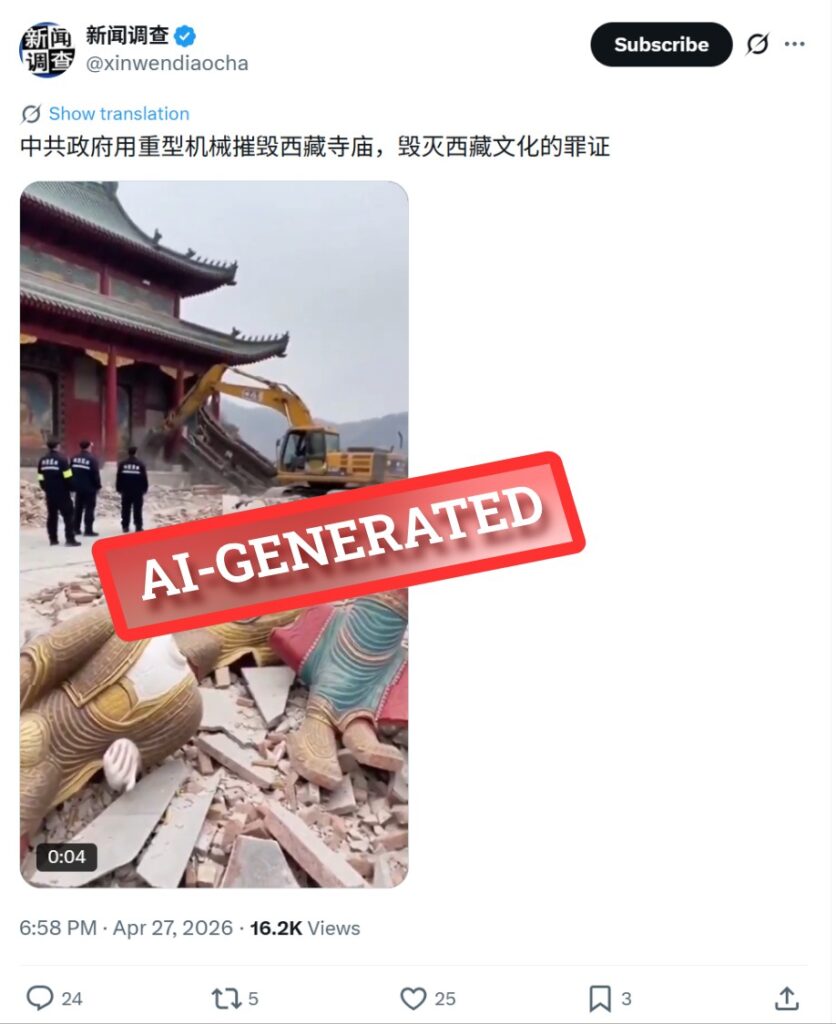
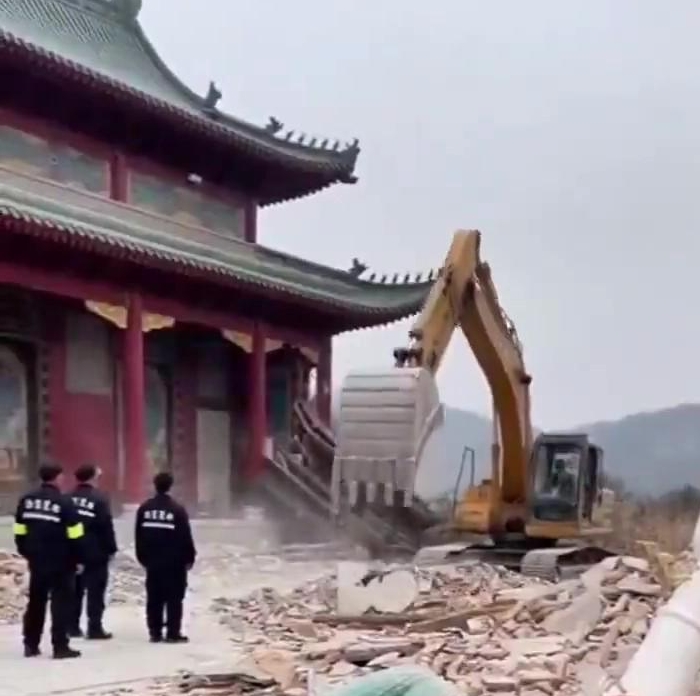
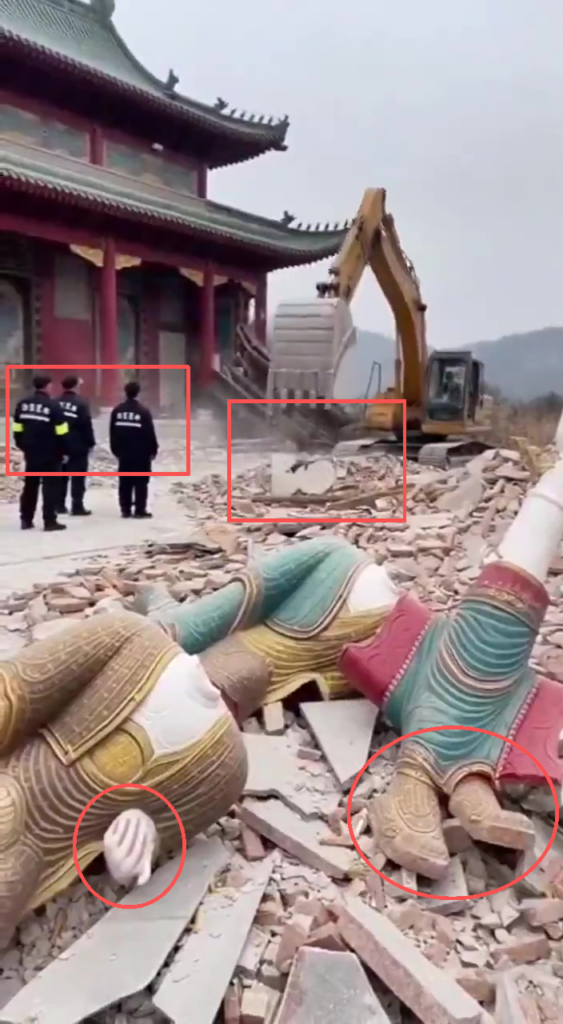
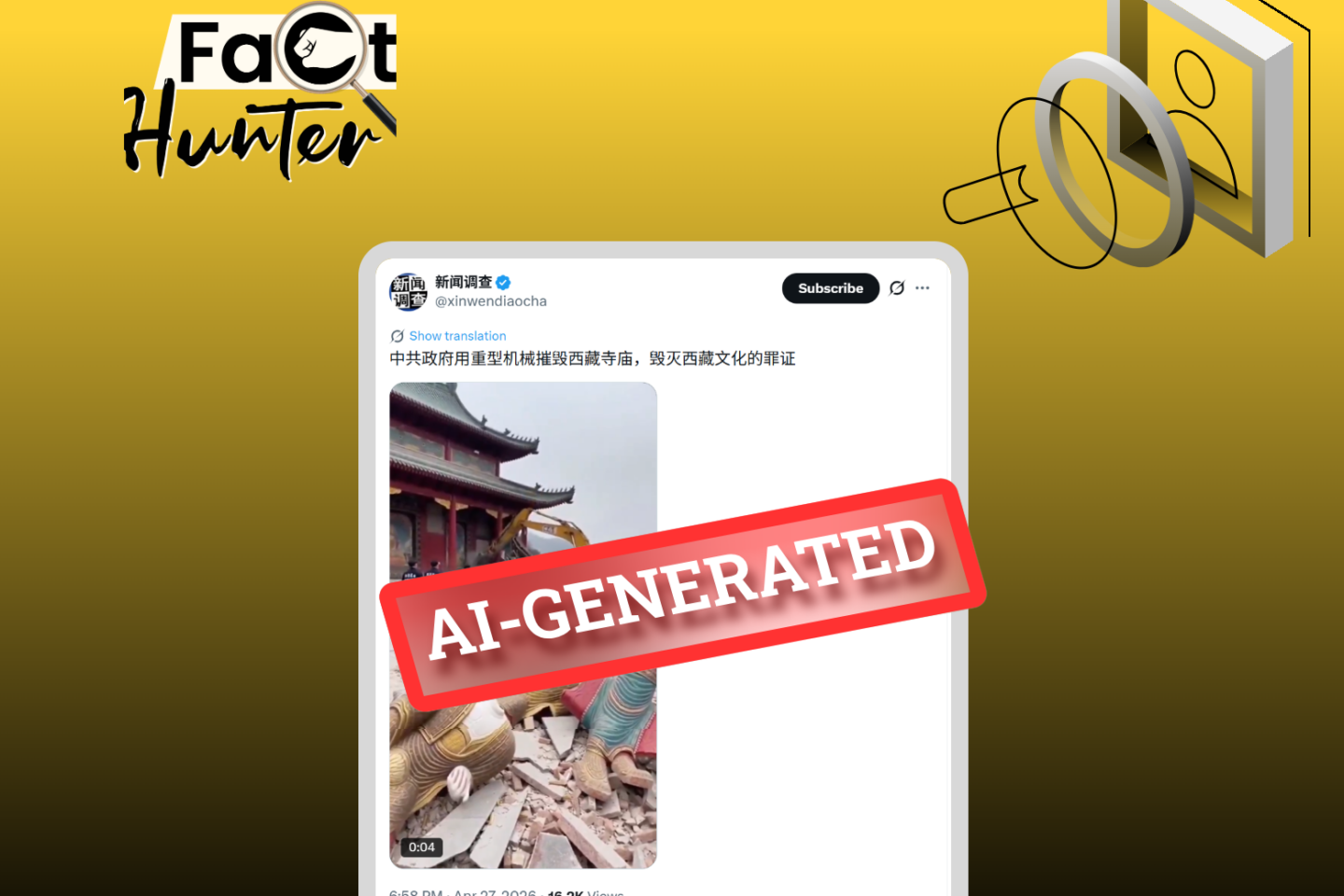
On April 27, 2026, a post on X, written in Simplified Chinese, stated: “This is evidence of the Chinese government using heavy machinery to destroy a temple in Xizang and demolish Tibetan culture.” The post included a 15-second video showing an excavator demolishing a temple building, broken Buddha statue fragments scattered on the ground, and three uniformed personnel observing the scene. The content was widely shared by social media users.
FACT CHECK
1. Source Analysis
The video was first posted in Japanese on X on April 26, 2026, by user @zetu_rrr. Subsequently, between April 27 and April 29, the video spread widely across platforms such as X, Instagram, Facebook, Threads, and YouTube in multiple languages, including Chinese, Japanese, and English.
2. Verification of the Alleged Temple Demolition
As of May 15, 2026, searches on the official websites of the People’s Government of Xizang Autonomous Region and the National Religious Affairs Administration have found no work briefings, notices, or announcements regarding the “demolition of Tibetan Buddhist temples.” Neither international nor Chinese mainstream news organizations have reported on the event depicted in the video claiming “Chinese government demolishing a temple in Xizang.”
3. Visual Analysis
1)Architecture and Environment Analysis
An assessment of the temple’s location, architectural appearance, and geographic environment reveals significant inconsistencies between the footage and the claim.
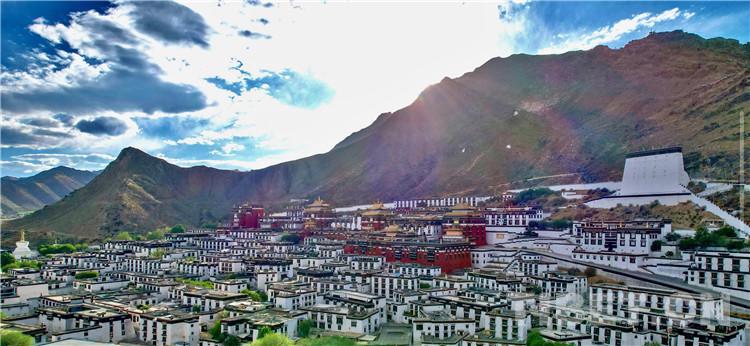
- Temple location: In Xizang, towns typically develop around temples, which are usually the core areas of local residential districts. However, the temple in the video appears in a more suburban or wildland setting, which deviates from the conventional location pattern of temples in
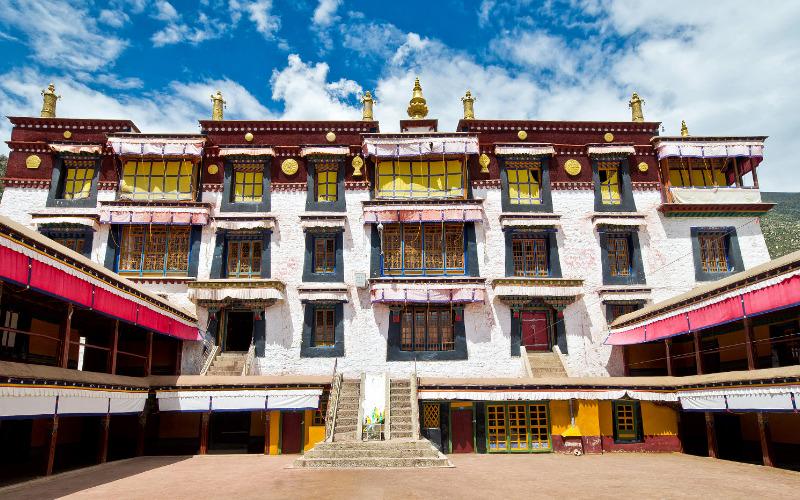
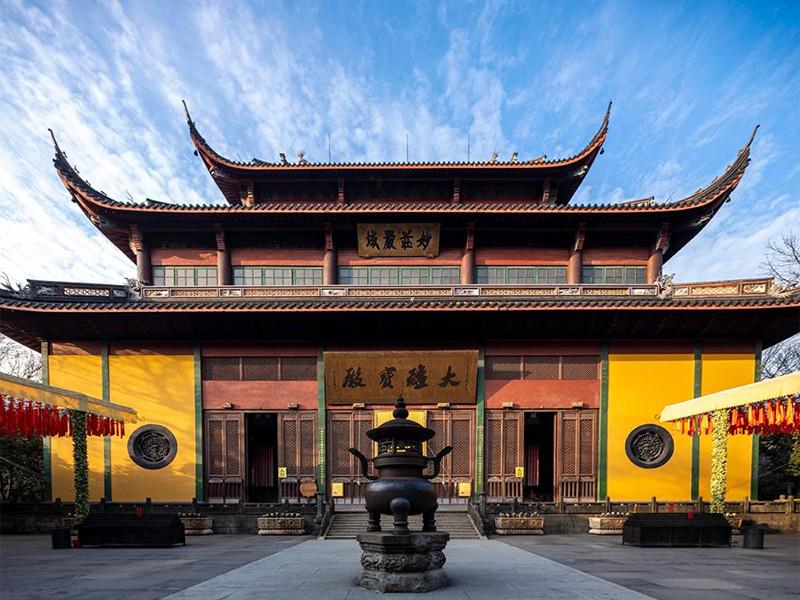
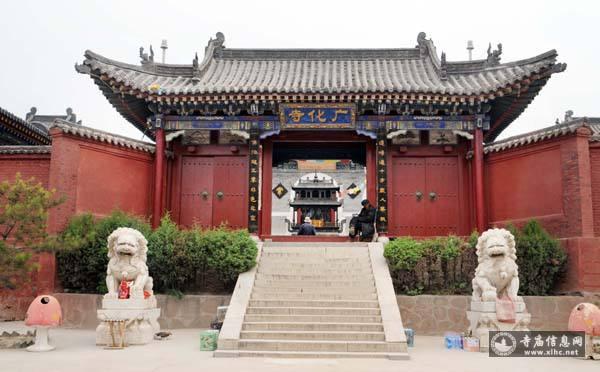
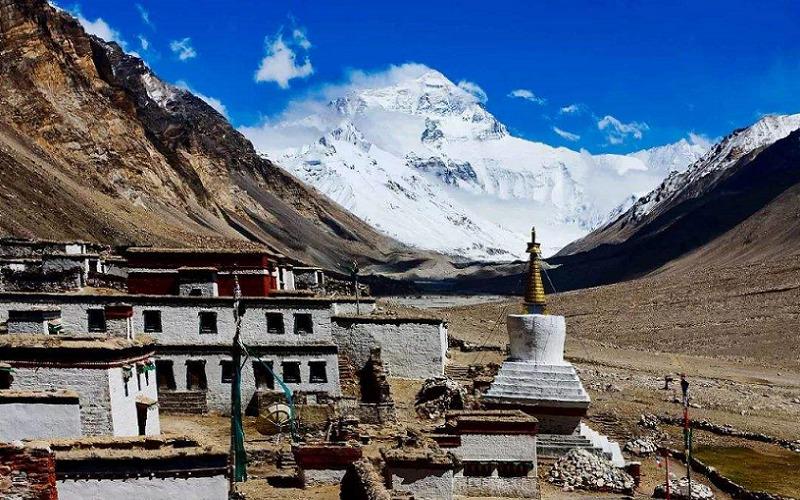
- Architectural Appearance: The temple in the video is a typical Han Chinese Buddhist building, featuring an East Asian hip-and-gable roof covered with green glazed tiles and upturned eaves. It belongs to Han-style wooden architecture with exposed red wooden pillars. In contrast, the main halls of Tibetan Buddhist temples typically have gilded roofs, and the walls are mostly made of massive trapezoidal stone or rammed earth structures, with no exposed wooden pillars.
- Geographical Environment: The surroundings in the video more closely resemble the plains and hilly terrains of inland China and does not match the geographical characteristics of the Qinghai-Xizang Plateau.
2)AI Characteristics Analysis
a. The broken Buddha statue in the foreground has obvious limb deformities: The Buddha statue on the right has two feet on a single leg, and the statue in the lower-left corner has six fingers. The hand shapes do not conform to normal sculptural anatomy.
b. The text on the uniforms of the personnel is completely illegible: It is impossible to identify whether the characters are authentic Chinese or Tibetan script, which is a typical issue found in the text of any AI-generated content.
c. The footage violates realistic physical collision dynamics: At the 0:02 timestamp, when a statue purportedly falls to the ground after the excavator attempts to move it, the surrounding rubble and debris show no vibration or displacement whatsoever.
d. The video’s duration is consistent with known AI-generation constraints: According to Hive detection data, AI-synthesized videos generated by the Sora 2 model have a maximum length of 15 seconds. This video is exactly 15 seconds long, matching that parameter.
4. AI Detection Tool Analysis
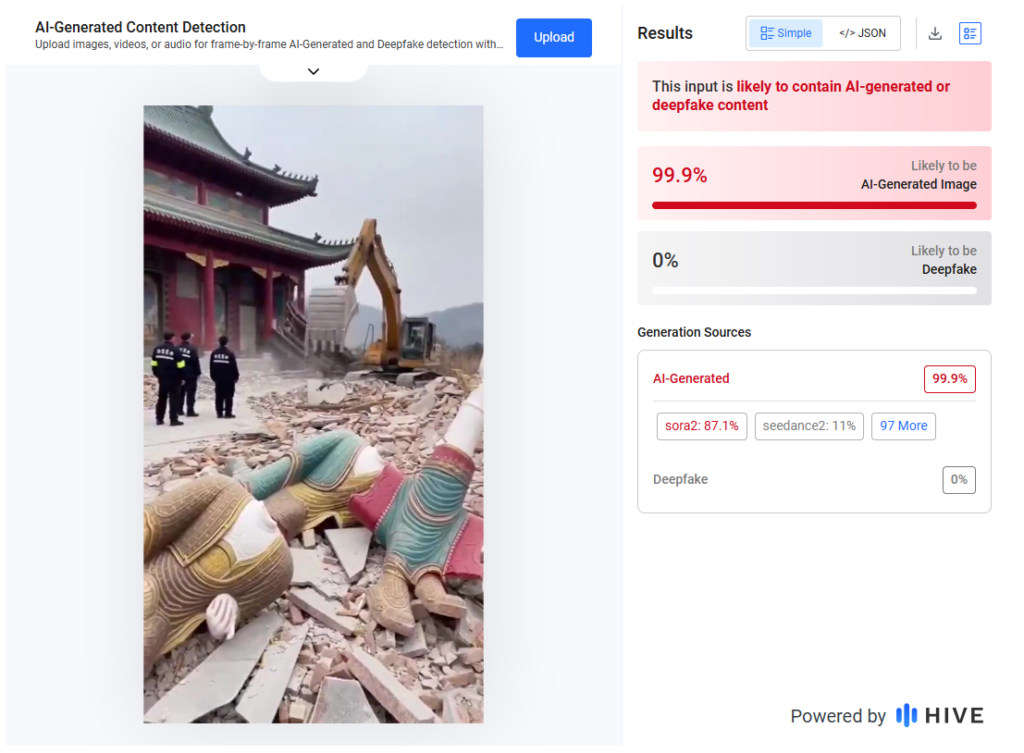
AI content detection on a key frame of the video (00:02) returned a 99.9% probability that the content is AI-generated or deepfake material.
5. Current Status of Tibetan Buddhist Temples and Monks in China
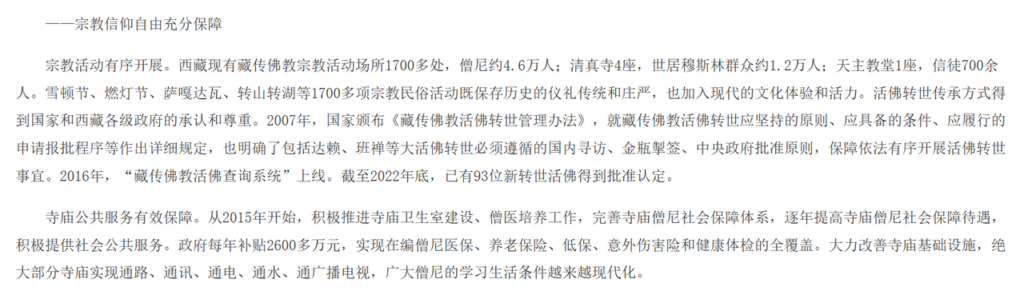
According to a white paper released by the State Council Information Office in November 2023, titled “CPC Policies on the Governance of Xizang in the New Era: Approach and Achievements,” the region today hosts over 1,700 sites for Tibetan Buddhism activities and approximately 46,000 Buddhist monks and nuns”.
1) Temple Protection and Restoration
a. Legal Protection of Religious Activity Sites
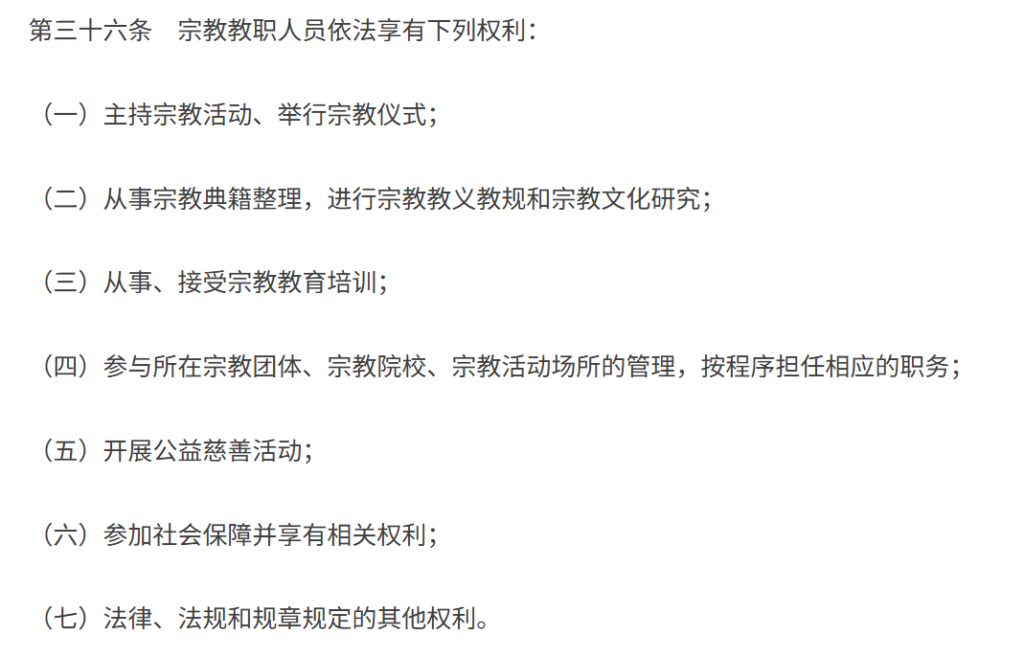
The Measures for the Implementation of the Regulations on Religious Affairs in the Xizang Autonomous Region, issued and enacted by the National Religious Affairs Administration in 2021, stipulates in Article 50 that the lawful rights and interests of religious activity venues such as temples are protected by law and shall not be encroached upon or damaged. The measures also specify that religious clergy are entitled by law to “participate in the management of religious activity venues,” among other rights.
b. Actual Restoration and Protection of Temples
The State and the Xizang Autonomous Region attach great importance to the protection of cultural relics in temples, continuously allocating substantial funds to the restoration and protection of various temples. They adhere to the principle of “restoring the old as the old” to maximize the preservation of historical authenticity and architectural integrity.
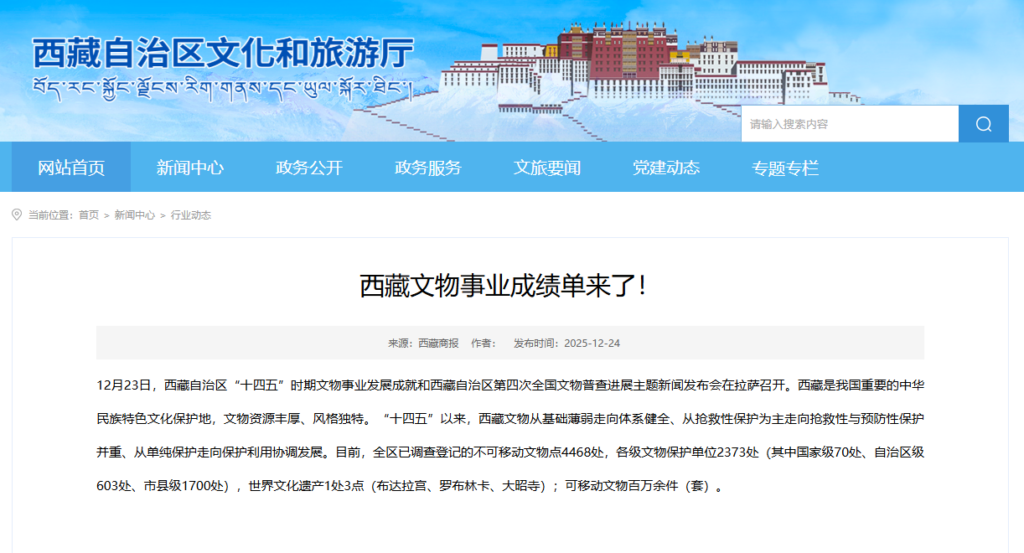
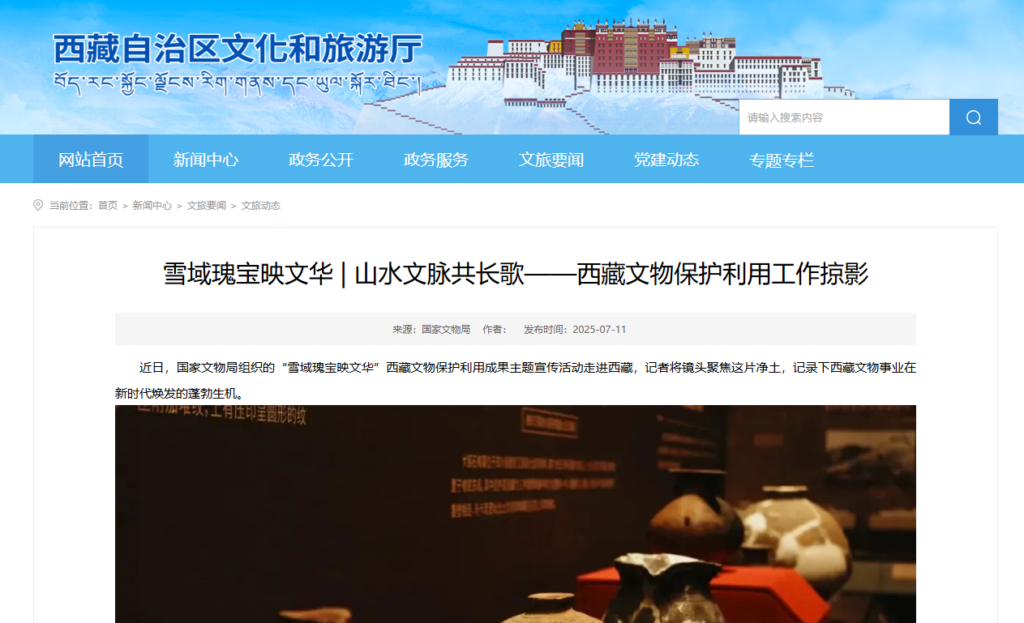
- Overall Investment: According to data from the Xizang Autonomous Region Department of Culture and Tourism, as of December 2025, Xizang has registered 4,468 immovable cultural heritage sites, 2,373 cultural relics protection units at various levels, one UNESCO World Heritage Site comprising three properties (the Potala Palace, Norbulingka, and the Jokhang), and over one million movable cultural relics. Since the start of China’s 14th Five-Year Plan period (2021-2025), the Xizang Autonomous Region Cultural Relics Bureau has secured more than 1 billion yuan in central and regional government funding, implementing 218 projects covering cultural relic protection and repair, safety infrastructure, preventive conservation, and digitization.
- Notable Temple Restoration Cases
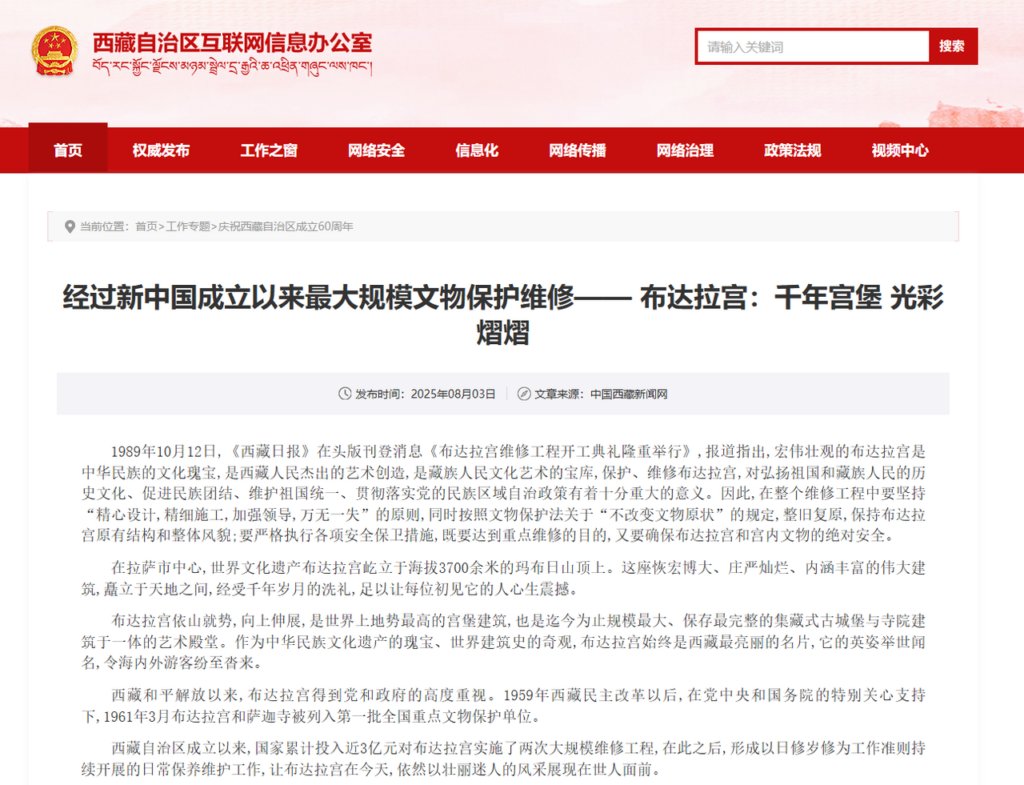
- Potala Palace: Since 1956, the state has cumulatively invested nearly 300 million yuan in two major restoration projects at the Potala Palace, subsequently establishing a routine maintenance and upkeep mechanism based on daily and annual repair protocols.
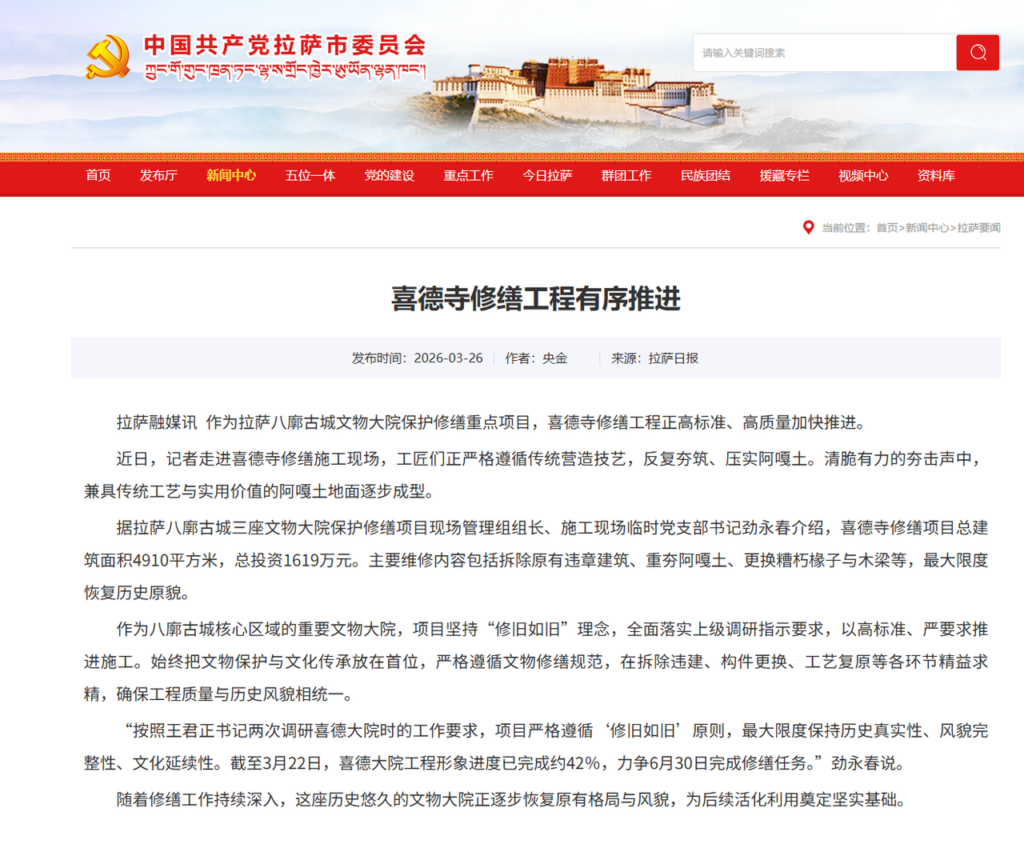
- Xide Lhamo Temple: As a key protection and restoration project in the Barkhor historic city area of Lhasa, the Xide Temple restoration project covers a total construction area of 4,910 square meters with a total investment of 16.19 million yuan.
- Sakya Monastery: In 2024, a column straightening and reinforcement project was completed in the main hall, roof repairs were carried out, and several misaligned roof beams were corrected and reinforced. As a result, the monastery withstood the deadly 2025 Xigaze earthquake without sustaining major structural damage.
2) Protection of Monks’ Rights and Political Participation
Article 36 of The Measures for the Implementation of the Regulations on Religious Affairs in the Xizang Autonomous Region (2021) specifies the rights to which religious clergy are entitled. Under these provisions, representatives of the Tibetan Buddhist community are legally entitled to participate in political affairs. For example, numerous temple monks serve as deputies to people’s congresses and members of political consultative conferences at various levels, participating in the management of national and local affairs.
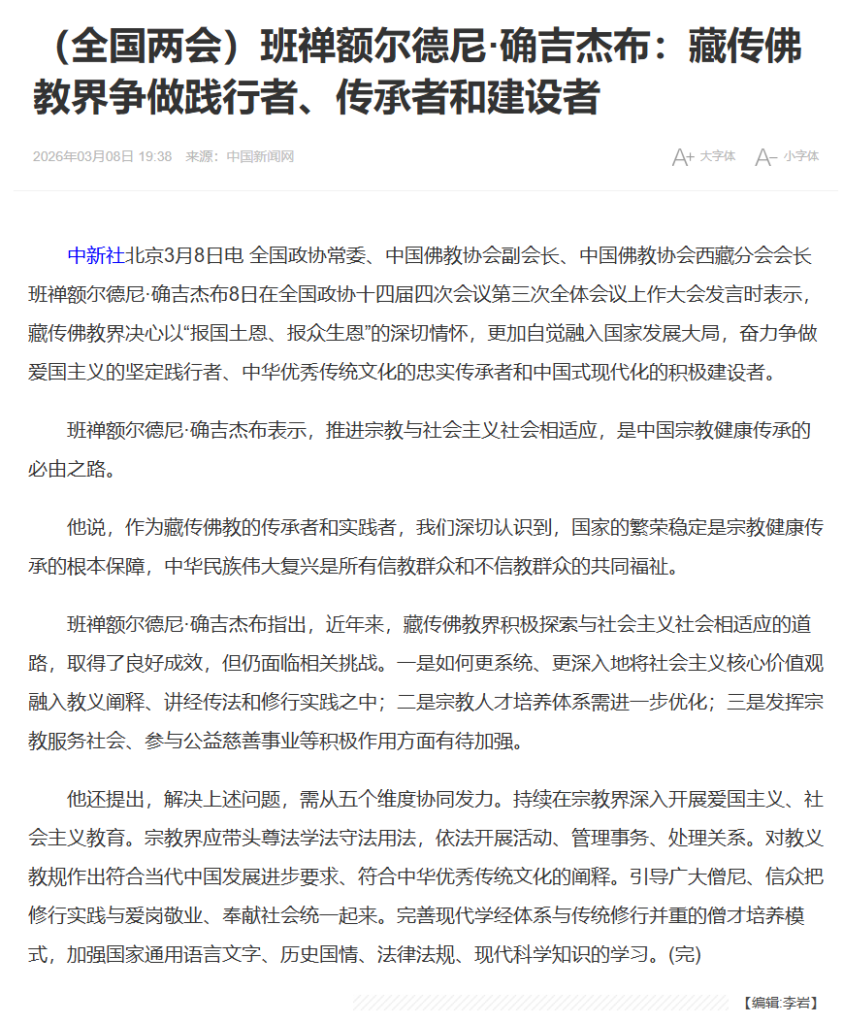
On March 8, 2026, Panchen Erdeni Chos-kyi rGyal-po, in his capacity as a Standing Member of the National Committee of the Chinese People’s Political Consultative Conference (CPPCC), Vice President of the Buddhist Association of China, and President of the Xizang Branch of the Buddhist Association of China, delivered a speech at the Fourth Session of the 14th National Committee of the CPPCC.
In January 2026, at the Fourth Session of the 12th Xizang Autonomous Region Committee of the CPPCC, religious-sector committee members including Dawa Tsering participated in group discussions on religious affairs, offering recommendations on religious work and Xizang’s development.
6. Dissemination Analysis
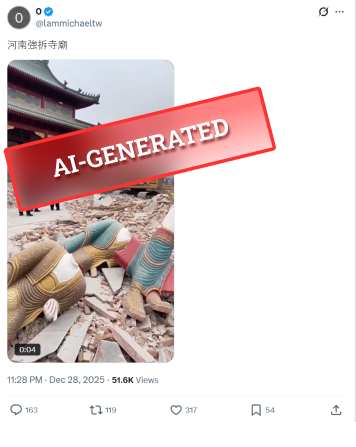
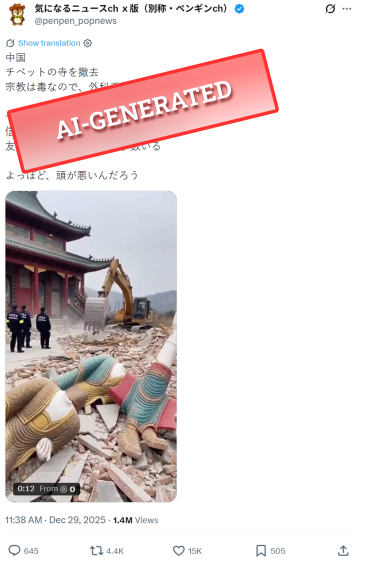
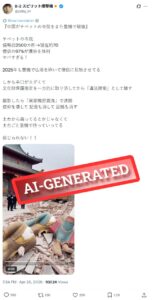
Based on reverse image searches of video screenshots and cross-platform verification of publicly available content, visually near -identical video content has been identified across multiple overseas social media platforms, including X, Threads, Facebook, Instagram, and YouTube. The content was not published sporadically or organically over a long period. Instead, it was published in concentrated bursts within a short timeframe — specifically between April 26 and 29, 2026.
Captions accompanying related posts across platforms display a high degree of homogeneity: the core narrative framework, phrasing structure, and key information points are largely identical. Some samples show near-verbatim repetition, with the same core text translated into English, Japanese, Chinese, and other languages and published simultaneously across corresponding language communities.
Taken together, the three objectively verifiable phenomena — concentrated publication timing, highly uniform captions, and simultaneous multi-platform appearance —indicate that the overall dissemination pattern of this content is consistent with coordinated, centrally distributed deployment.
7. Account Analysis
@xinwendiaocha is an aggregator account for news and information content on X. As of the time of this report, the account has approximately 653,000 followers. It frequently employs emotionally charged headlines such as “Shocking!” and “Unbelievable!”, primarily publishing short videos, static images, and commentary-style content focused on globally sensational, potentially viral, or self-styled “investigative” social and human-interest events.
The account’s China-related content exhibits a mixed editorial stance but with a pronounced tendency toward sensationalist narratives, encompassing food safety scandals, violent crime cases, social conflicts, and various controversial public incidents. Notable examples include unverified claims of cannibalism and a series of exposés targeting counterfeit and sub-standard products.
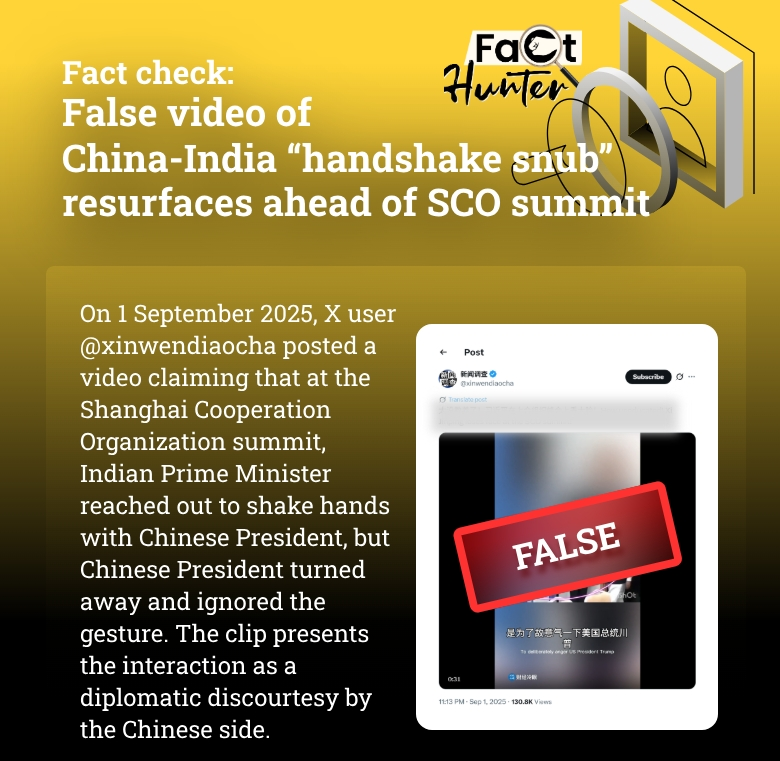
The account has a documented history of publishing misinformation and has previously been subject to fact-checking by Fact Hunter.
Verdict
AI-generated.
Conclusion
Upon investigation, the video content claiming to show “the Chinese government demolishing a temple in Xizang” has no factual basis. The visuals present multiple typical characteristics of AI generation, and relevant detection tools indicate a high probability that the video is AI-generated. Furthermore, the incident has not been reported by either international or Chinese domestic mainstream media. Further searches across multiple platforms revealed that the video was posted in concentrated bursts within a short period, accompanied by highly similar textual content. Viewers are advised to verify information sources, follow credible reports, and maintain a cautious attitude before sharing.
Have a questionable video or claim? Submit it to Fact Hunter’s investigation team at [therealfacthunter@outlook.com].
Primary Fact Checker: Liu Yantong
Secondary Fact Checker: Lei Ting
Reference:
https://x.com/xinwendiaocha/status/2048718535812431984?s=20
https://x.com/zetu_rrr/status/2048365051913068755
https://x.com/ChinaVideos1/status/2049416665868497102
https://www.facebook.com/watch/?v=1654990345820787
https://x.com/sam51824016070/status/2048425121149521940
https://x.com/xinwendiaocha?s=20
https://www.xizang.gov.cn/
https://www.sara.gov.cn/
http://m.tibet.cn/cn/in/yc/202312/t20231209_7534711.html
https://www.greattibettour.com/cn/tibetan-culture/top-10-tibetan-monasteries
https://www.hzfjxh.com/buddhist/municipal
https://xlhc.net/1526.html
https://www.findchina.tw/2022/03/rongbuk-monastery.html
https://hivemoderation.com/ai-generated-content-detection
https://www.gov.cn/zhengce/202311/content_6914541.htm
https://www.sara.gov.cn/static/content/xxgk/2023-11-28/1306305927594377216.html
https://wlt.xizang.gov.cn/xwzx_69/xydt/202512/t20251224_515795.html?f_link_type=f_linkinlinenote&flow_extra=eyJkb2NfaWQiOiJhMjY5N2UzNDA4ZWRmZTUyLTM4ODQxMjVkZjQyNDI2N2QiLCJpbmxpbmVfZGlzcGxheV9wb3NpdGlvbiI6MCwiZG9jX3Bvc2l0aW9uIjowfQ%3D%3D
https://wxb.xzdw.gov.cn/gzzt/qzxzzzqcl60zn/202508/t20250803_592475.html?f_link_type=f_linkinlinenote&flow_extra=eyJpbmxpbmVfZGlzcGxheV9wb3NpdGlvbiI6MCwiZG9jX3Bvc2l0aW9uIjowLCJkb2NfaWQiOiJlMDhmMmFkYWQ4ODIyZTQwLTI4NWU1Y2IzYmUyMDVhYzYifQ%3D%3D
https://lasa.xzdw.gov.cn/xwzx_359/lsyw/202603/t20260326_657365.html?f_link_type=f_linkinlinenote&flow_extra=eyJkb2NfcG9zaXRpb24iOjAsImRvY19pZCI6IjRlOTMyNzJkOTVlNTI5NWItZjdmZjFlOTk2ZTFkM2I3MyIsImlubGluZV9kaXNwbGF5X3Bvc2l0aW9uIjowfQ%3D%3D
https://wlt.xizang.gov.cn/xwzx_69/wlyw/wldt/202507/t20250713_489130.html?f_link_type=f_linkinlinenote&flow_extra=eyJpbmxpbmVfZGlzcGxheV9wb3NpdGlvbiI6MCwiZG9jX3Bvc2l0aW9uIjowLCJkb2NfaWQiOiI2MDRmNmNkMTU4NmE0Nzg4LTVkYjVkOWU2ZDE4ZDg1Y2QifQ%3D%3D
https://www.sara.gov.cn/static/content/xxgk/2023-11-28/1306305927594377216.html
https://www.chinanews.com/gn/2026/03-08/10583541.shtml
Fact check: False video of China-India “handshake snub” resurfaces ahead of SCO summit
http://www.xizangrd.gov.cn/gzkx/46405
https://english.www.gov.cn/archive/whitepaper/202311/10/content_WS654db703c6d0868f4e8e120d.html